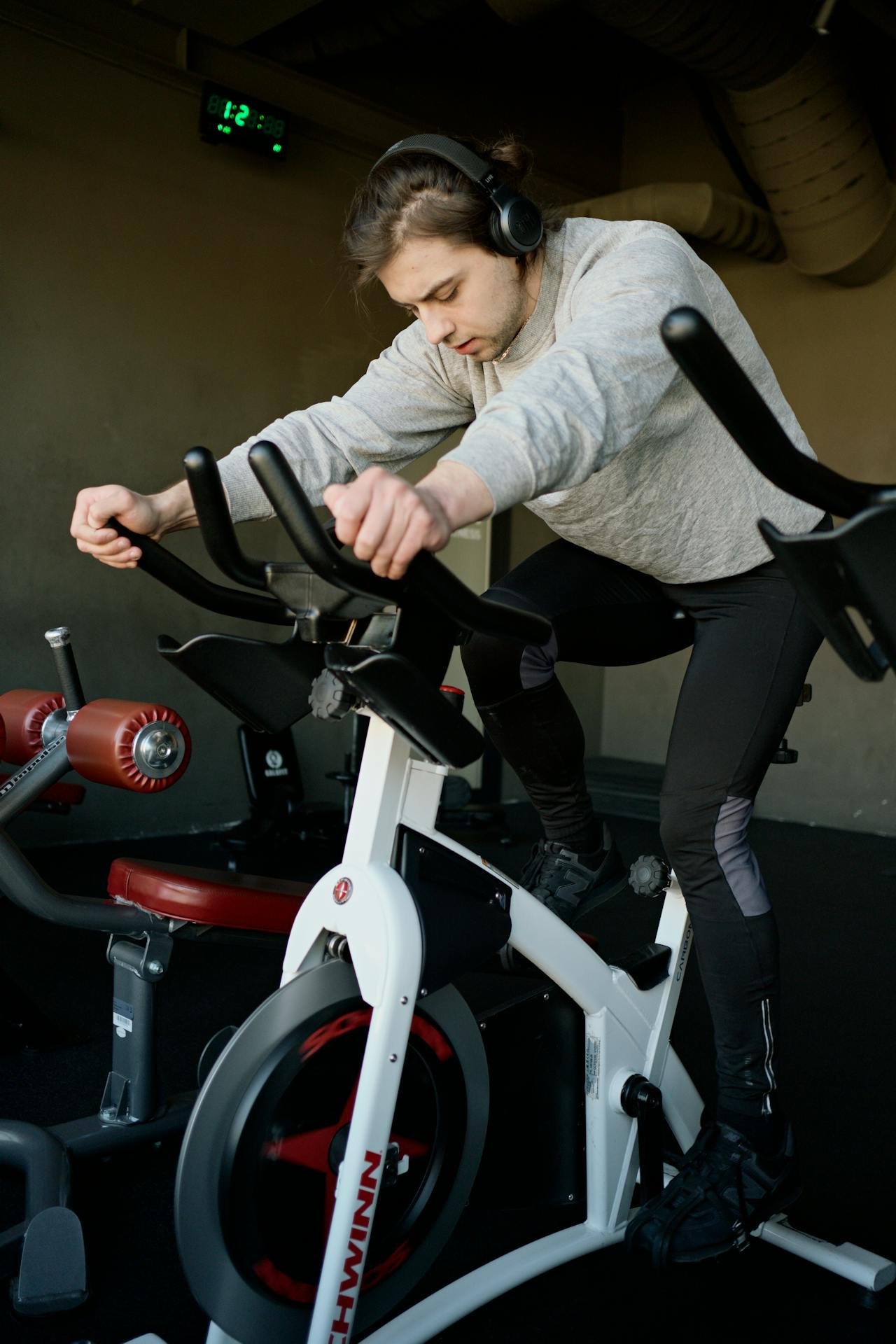
Stationary Cycling To Lose Weight : If you want a simple way to lose weight, stationary cycling is a smart choice. It gives you a low-impact workout that burns calories and goes easy on your joints.
You can use a stationary bike to create a calorie deficit, which is the key to losing weight.
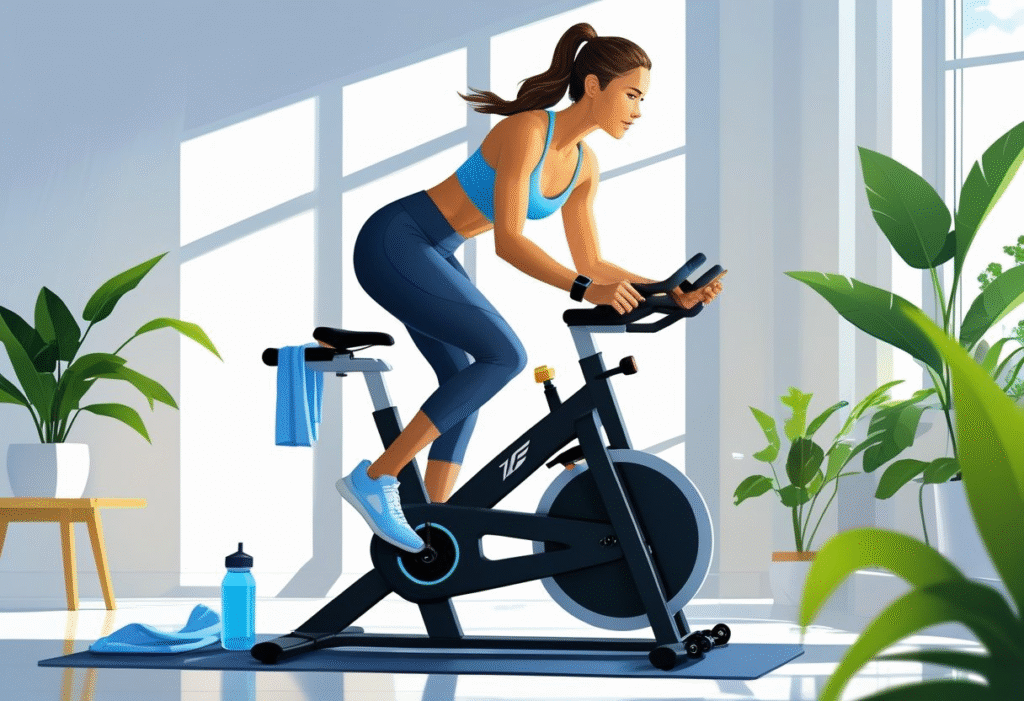
I like stationary cycling because it’s flexible. You can adjust resistance, speed, and duration to match your fitness level and goals.
Whether you prefer steady rides or short bursts of high intensity, you can shape your workouts to support fat loss and build endurance.
You don’t need a lot of equipment or space for this. With the right plan, a stationary bike helps you stay consistent and make steady progress.
Key Takeaways
- Stationary cycling supports weight loss through calorie burn
- Different workout styles can improve fat loss and fitness
- Consistency and healthy habits make results sustainable
Benefits of Stationary Cycling for Weight Loss
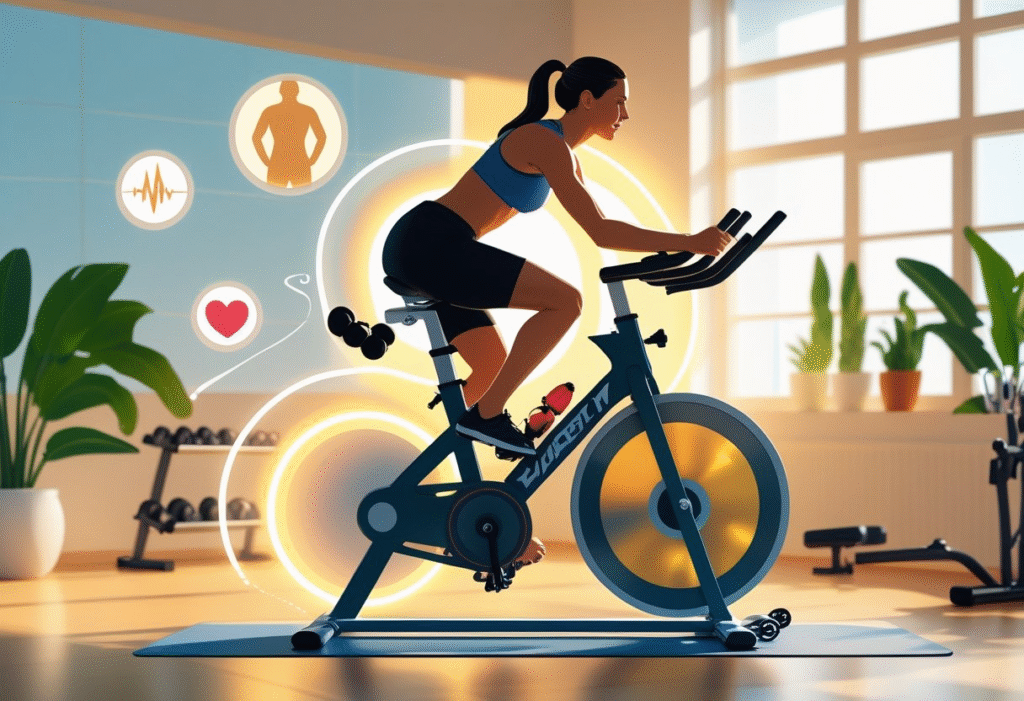
I use a stationary bike because it helps me burn calories and improve my metabolism. Plus, it’s easy on my joints.
Calorie Burn and Fat Reduction
When I cycle indoors, I can burn a good number of calories depending on my weight, speed, and resistance. For example, a 155‑pound person might burn about 250–300 calories in a 30‑minute moderate ride.
If I crank up the intensity or add intervals, that number goes up. I keep an eye on calorie balance because losing one pound of fat means burning about 3,500 calories more than I eat.
Research shows cycling promotes fat oxidation and calorie burn. My body taps into stored fat for energy, especially at moderate to high intensity.
Cycling regularly helps reduce belly fat over time. I know I can’t pick where I lose fat, but keeping up with cycling and a calorie deficit helps overall fat reduction, including the belly.
Metabolic Boost
Cycling boosts my metabolism during and after workouts. High‑intensity interval training (HIIT) on a bike is especially good for this because it makes me use more oxygen and burn more calories even after I’m done.
This “afterburn effect” comes from my body using extra energy as it recovers. Studies on indoor cycling and weight loss say HIIT can be more efficient than steady rides for boosting metabolism.
Even moderate, steady rides help me keep lean muscle, which is important for burning calories at rest. The more muscle I have, the more I burn—even when I’m not working out.
Low-Impact Cardio Advantages
I prefer a stationary bike because it’s easier on my joints than running or other high‑impact exercises. The pedaling motion is smooth, and I can tweak resistance to fit my needs.
This lets me exercise longer without pain. CAROL Bike points out that stationary cycling is a low‑impact workout that supports long‑term weight management.
With less stress on my knees and hips, I can stick with my workouts. Consistency really matters for weight loss.
I like that I can pick between upright, recumbent, or spin bikes. Each gives me a way to match comfort with calorie burn.
How to Structure Effective Stationary Cycling Workouts
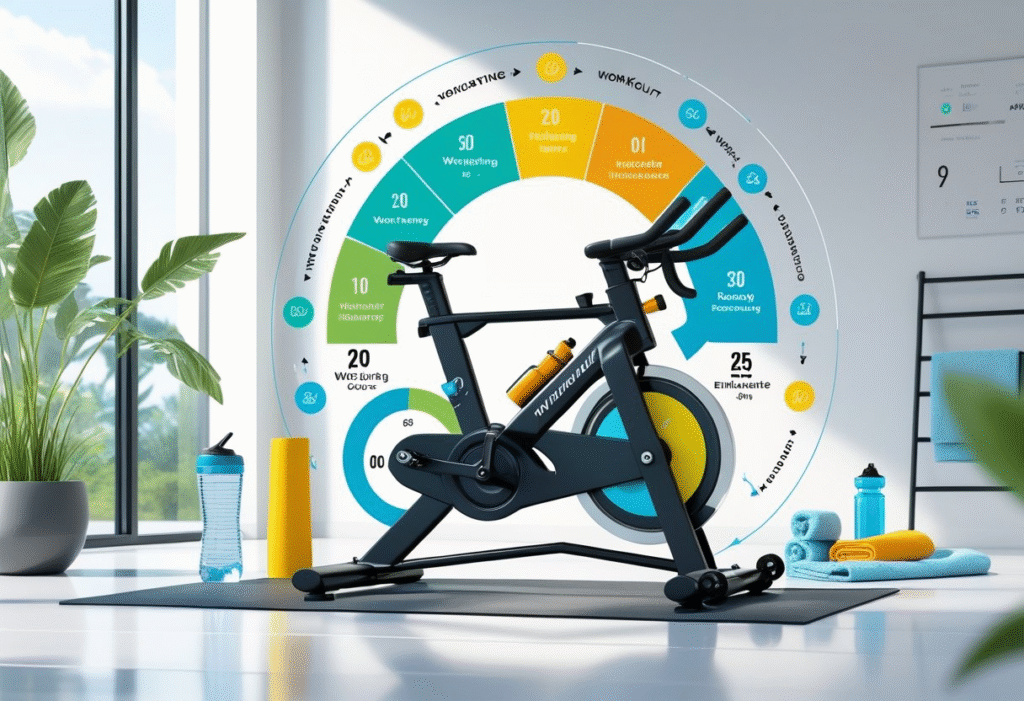
When I plan my cycling sessions, I focus on varying intensity, balancing steady rides and intervals, and figuring out how often and how long to ride. These choices shape how many calories I burn and how well I keep up the habit.
Interval Training Strategies
I use interval training by pushing hard for short bursts, then recovering before repeating. It helps me burn more calories in less time than just riding at one pace.
A simple way is alternating 1–2 minutes of high resistance with 2–3 minutes of light pedaling. I usually repeat this for 20–30 minutes.
This balance keeps me from burning out too fast. I also adjust intensity based on how fit I feel that day.
Beginners might do shorter sprints and longer recovery, while advanced riders can push harder or recover less. Livestrong says higher intensities help burn more fat.
Steady-State vs. HIIT
I like steady-state rides when I want to build endurance or take it easy after a tough session. In these, I keep a moderate pace for 30–60 minutes without big changes in resistance.
HIIT pushes me near my max for short bursts. Studies like this one say HIIT burns more calories quickly, but it’s tougher and needs more recovery.
I usually mix both styles each week. For example:
- 2–3 steady rides for endurance and calorie burn
- 1–2 HIIT sessions for intensity and fat loss
This combo keeps things balanced and helps me avoid burnout.
Optimal Workout Duration and Frequency
I aim for 3–5 rides per week, depending on how I’m feeling and my schedule. Each session lasts 20 to 60 minutes.
Shorter interval workouts can work as well as longer steady rides if I keep at it. Beginners might start with 20–30 minutes and slowly add more time.
More experienced riders can go for 45–60 minutes and mix up the intensity. SOLE Treadmills suggests mixing up your routine to burn more calories and avoid boredom.
I track my sessions to see progress and make sure I’m not overdoing it. Adjusting time and frequency keeps things challenging but doable.
Supporting Weight Loss with Nutrition and Lifestyle
I focus on everyday habits that make my cycling workouts more effective. Eating balanced meals, staying hydrated, and keeping track of goals all help me build a routine that actually works.
Balanced Diet Recommendations
I pay attention to what I eat because exercise alone won’t cut it. I need a calorie deficit, but I don’t go too low or I’ll feel drained.
I aim for meals with lean protein, whole grains, fruits, and veggies. I keep processed foods and added sugars low since they add calories without much benefit.
For snacks, I like Greek yogurt, nuts, or fruit to keep hunger in check. Here’s a simple breakdown I follow:
| Meal Component | Example Foods | Benefit |
| Protein | Chicken, tofu, eggs | Builds muscle, keeps me full |
| Carbs | Brown rice, oats, whole wheat bread | Provides steady energy |
| Fats | Olive oil, avocado, almonds | Supports hormones and satiety |
| Fiber | Vegetables, beans, berries | Aids digestion, controls appetite |
I also eat after cycling. A small meal with protein and carbs helps my muscles recover and gets me ready for the next ride.
Hydration Tips
I notice when I’m hydrated, my energy and focus during rides are better. Even mild dehydration can make workouts drag and slow calorie burn.
I drink water before, during, and after cycling. For longer sessions over an hour, I’ll sometimes add an electrolyte drink to replace sodium and potassium from sweat.
I skip sugary sports drinks unless the ride is super intense or long. Here’s what works for me:
- Before cycling: 1–2 cups of water
- During cycling: sips every 15–20 minutes
- After cycling: enough water to replace what I lost
I check my hydration by looking at urine color. Pale yellow means I’m good; darker shades mean I need more fluids.
Tracking Progress and Setting Goals
Tracking keeps me consistent. I log my rides, calories burned, and how hard I worked.
Using a fitness app or just a notebook helps me see progress. I set goals that are clear and realistic, like cycling 120 minutes a week or bumping up resistance after a couple weeks.
I don’t rely only on the scale. I also track how my clothes fit, my energy, and my endurance. When I hit a goal, I set a new one to keep things moving forward.
Frequently Asked Questions
People often ask how much weight they might lose, how long to cycle for belly fat, and if cycling alone is enough for fitness. I’ll cover those and share a routine to help get the best results.
What are the typical weight loss results after one month of stationary cycling?
Results really vary based on diet, workout intensity, and starting weight. Research says cycling 30 minutes three times a week led to about 3 pounds lost over 12 weeks, so in a month, you might notice a small but real change if you’re consistent.
How long should I ride a stationary bike daily to lose belly fat effectively?
I aim for 30–60 minutes most days at a moderate pace. Studies show regular cycling sessions in this range help burn enough calories to reduce body fat—including belly fat—when you pair it with a balanced diet.
Can a stationary bike alone be sufficient for overall body shaping and fitness?
Stationary bikes definitely build cardiovascular endurance and torch calories. They do a solid job toning your legs and glutes.
But honestly, they barely touch your upper body. If I want a fully shaped physique, I always add some strength training into the mix.
What are the proven benefits of stationary cycling for the abdominal area?
Cycling can help shrink belly fat by putting you in a calorie deficit. It won’t magically give you abs, but indoor cycling does improve core stability and chips away at your waistline over time.
Are there any before and after weight loss success stories involving stationary bikes?
I’ve come across plenty of stories about people dropping pounds with regular cycling. One study tracked folks who lost about 3 pounds over 12 weeks just by riding, which shows you can make steady progress if you stick with it.
What is the recommended routine for maximizing weight loss with a stationary bike?
I usually mix steady rides with some interval training. For me, 30–60 minutes of moderate cycling most days works well.
Once or twice a week, I’ll throw in high-intensity intervals. Pairing this with decent eating habits definitely helps me burn more calories and boost my fitness a bit faster.