
How Much Weight Can I Lose In 2 Months : Losing weight in two months feels like a challenge, but honestly, it’s about sticking with it more than rushing. You can safely lose about 8–16 pounds in two months if you aim for a steady 1–2 pounds per week, according to health experts.
This pace helps you build habits that actually last and keeps your body healthy while you go after your goal.

I focus on what I can control—what I eat, how much I move, and how I keep myself motivated. Calorie intake, exercise, and even sleep all play a part in how much progress I make.
Tools like a weight loss calculator help me set goals that make sense based on where I’m starting and how much time I have.
I know losing weight too fast can backfire, so I try to keep my goals realistic. The right mix of nutrition, movement, and patience really makes a difference over two months.
Key Takeaways
- Most people can lose 8–16 pounds in two months safely.
- Diet, exercise, and lifestyle choices all impact how much weight you lose.
- A steady, balanced approach leads to lasting results.
Realistic Weight Loss Expectations in 2 Months

I try to set healthy, steady goals that match how the body naturally loses weight. How much I lose depends on my habits, how consistent I am, and how my body responds to changes in diet and exercise.
Average Weight Loss Range
I can expect to lose about 8 to 16 pounds in two months, or roughly 1 to 2 pounds per week. This pace is considered safe and sustainable, according to realistic weight loss guides.
If I lose weight faster than that, I might lose muscle or water instead of fat. A slower rate still counts, especially if I’m focused on building good habits.
| Time Frame | Realistic Weight Loss | Notes |
| 2 Weeks | 2–4 lbs | Early changes often include water loss |
| 1 Month | 4–8 lbs | Fat loss becomes more consistent |
| 2 Months | 8–16 lbs | Steady progress with balanced habits |
Losing more than 16 pounds in two months can happen, but it usually means strict calorie control and a lot of exercise. I try to stick with a pace my body can handle safely.
Factors Influencing Results
Results depend on a few things, like starting weight, diet quality, exercise level, sleep, and stress. People with higher starting weights often lose more at first since their bodies burn more calories.
Eating nutrient-dense foods and staying active help keep things moving in the right direction. According to happyskinnyfit.com, combining a calorie deficit with both strength and cardio training helps lose fat while keeping muscle.
Other things like age, metabolism, and medical conditions also play a part. I try to adjust my plan based on how my own body responds, not by comparing myself to everyone else.
Setting Achievable Goals
I set specific and measurable goals instead of vague wishes. For example, I might aim to lose 10 pounds in two months and exercise four days a week.
Tracking progress every week helps me stay on track. Food logs and step counters keep me accountable, even when motivation dips.
As dietdoctor.com says, I can’t control exactly how fast or where I lose weight, but I can control my habits. I focus on balanced meals, activity I actually enjoy, and steady effort so the results stick.
Key Factors That Impact Weight Loss
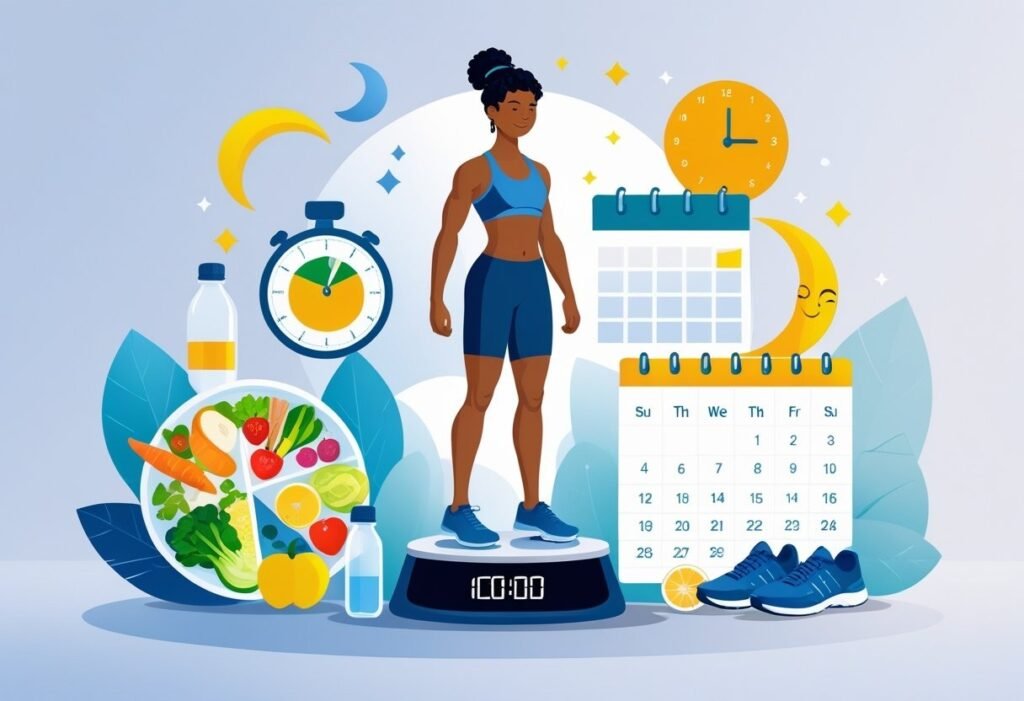
I try to manage what I eat, how much I move, and how well I rest. These things directly affect how my body loses weight.
Metabolism, daily habits, and sleep all work together and can speed up or slow down my progress.
Dietary Choices and Caloric Intake
I pay attention to what I eat and how many calories I take in every day. Eating fewer calories than I burn helps me lose weight safely.
Most experts recommend losing about 1–2 pounds per week, which means creating a calorie deficit of about 500–1,000 calories per day.
I stick with whole, nutrient-dense foods like fruits, veggies, lean proteins, and whole grains. These fill me up and help with cravings.
According to Colorado Bariatric, steady calorie control and balanced meals are key for progress.
I also keep an eye on portions and try to cut back on added sugars and refined carbs. Swapping soda for water or tea actually makes a difference.
I’m not about restricting everything—just building eating habits I can live with for the long haul.
Exercise and Physical Activity
I include regular exercise because it burns calories and helps me keep muscle. Mixing cardio and strength training works best for me.
Cardio like walking or cycling burns fat, while resistance training builds muscle and bumps up my metabolism.
The Manual 2-month weight loss plan says that sticking with exercise matters more than just going hard once in a while. I shoot for at least 150 minutes of moderate exercise a week.
Even little things count—taking the stairs, walking during calls, or just stretching between tasks. I check my progress every week and tweak things if I need to.
Metabolic Rate Variations
My metabolism affects how my body uses energy. Age, genetics, muscle mass, and hormones all play a part.
People with more muscle burn more calories, even when they’re just sitting around. According to Experience Life, metabolism interacts with my diet and sleep, too.
I can’t change my genes, but I can support my metabolism by eating enough protein, staying active, and not cutting calories too low.
I stay hydrated and avoid skipping meals, since that can slow things down. Tracking what I eat and how I feel helps me spot what works for me.
Lifestyle and Sleep Habits
My daily habits matter more than I realized. Bad sleep or high stress make me crave junk and eat more.
I aim for 7–9 hours of sleep each night so my body can recover and my appetite stays in check. The Medikaur guide on weight loss factors points out how stress, rest, and self-care affect results.
Managing stress—maybe with deep breaths or quick walks—helps me make better choices. Keeping a regular routine, eating at set times, and cutting back on late-night snacks all help my body stay balanced.
Safe Strategies for Maximizing Weight Loss
I focus on habits that help me lose weight safely while keeping my body strong and energized. What I eat, how I move, and how I track progress all play a role in making changes that actually stick.
Balanced Nutrition Plans
I start by creating a calorie deficit that supports losing about one to two pounds per week. Experts at the Cleveland Clinic say this pace is safe and doable for most people.
Half my plate is vegetables, a quarter is lean protein like chicken or tofu, and the rest is whole grains. This setup keeps me full and helps me keep muscle.
I try to limit added sugars, fried stuff, and refined carbs. Instead, I reach for foods with fiber—beans, oats, fruit. Staying hydrated and eating slowly help me avoid eating more than I need.
| Food Group | Examples | Benefits |
| Protein | Eggs, fish, lentils | Builds and repairs muscle |
| Vegetables | Spinach, broccoli, carrots | High in fiber and nutrients |
| Whole Grains | Brown rice, quinoa, oats | Keeps energy steady |
| Healthy Fats | Avocado, olive oil, nuts | Supports heart health |
Effective Workout Routines
I combine cardio and strength training to burn fat and keep muscle. According to Mayo Clinic, both types of exercise matter for long-term weight control.
I try for at least 150 minutes of moderate cardio each week—brisk walking, cycling, or swimming. I also lift weights or use resistance bands two or three times a week.
Short, high-intensity workouts boost calorie burn when I’m short on time. I stretch before and after workouts to avoid injury and stay flexible.
Tracking Progress and Adjustments
I track my food, exercise, and changes in my body to stay consistent. Using a journal or app helps me spot patterns and make small tweaks.
If my weight loss stalls, I look at my calorie intake and how active I’ve been. The CDC recommends adjusting habits instead of jumping to extreme diets.
I weigh myself once a week, measure my waist, and pay attention to how my clothes fit. These simple checks keep me honest and motivated without making me obsessive.
Potential Risks and Considerations
Losing weight too quickly can stress your body, mess with your metabolism, and make it tough to keep the weight off. I try to understand the effects of rapid loss and focus on habits that support long-term results.
Health Implications of Rapid Weight Loss
When I lose weight too fast, I risk losing muscle along with fat. This can slow my metabolism and make future weight loss harder.
According to Everyday Health, dropping 15 pounds in two months is considered rapid and may lead to health risks.
Common issues include:
- Nutrient deficiencies from restrictive diets
- Fatigue and dizziness from low calorie intake
- Gallstones due to quick fat breakdown
- Dehydration if I lose water weight instead of fat
Medical professionals often say losing more than 2 pounds per week is too fast. Everyday Health points out that slower, steady loss supports better energy and fewer complications.
Sustainable Long-Term Approaches
I aim for weight loss that I can actually keep off. Research from Johns Hopkins Medicine suggests that lasting results come from consistent habits, not quick fixes.
I focus on:
- Balanced meals with lean protein, vegetables, and whole grains
- Regular exercise that mixes strength and cardio
- Adequate sleep and stress management
Tracking progress keeps me grounded. I skip extreme calorie cuts and instead aim for a small, steady deficit. That way, I protect muscle, keep my energy up, and lower the risk of gaining it all back later.
Frequently Asked Questions
I like to stick with practical, evidence-based ideas about healthy weight loss over two months. I think about realistic expectations, how diet and exercise actually work, gender differences, and the role of medications and tracking tools that support progress.
What is a realistic amount of weight loss to expect within a two-month period?
I can expect to lose about 8 to 16 pounds in two months if I follow a balanced diet and exercise regularly. That’s about 1–2 pounds per week, which is considered safe and doable according to Leafy Bark and Happy Skinny Fit.
Can diet and exercise significantly impact weight loss over eight weeks?
Absolutely—they make a huge difference. When I cut calories and move more, I create a calorie deficit that leads to fat loss.
The Manual guide says motivation, workout time, and food choices all affect how much I can lose in eight weeks.
What are the potential weight loss outcomes for females over a two-month timeframe?
Females usually lose weight a bit slower than males because of differences in muscle and hormones. On average, I might see results in the same healthy range of 8–16 pounds, but metabolism and consistency matter a lot.
How effective is Mounjaro for weight loss within a 60-day period?
If I use Mounjaro (tirzepatide) with a doctor’s guidance, I might notice modest weight loss in the first two months. Most clinical results show bigger changes after a few months, but early improvements in appetite and blood sugar can help.
What are the estimated weight loss results when using Ozempic for two months?
With Ozempic (semaglutide), some weight loss may start in the first 4–8 weeks. Most people see bigger changes after three months, and results depend a lot on dosage, diet, and individual response.
How can a weight loss calculator help in setting goals for a two-month period?
A calculator lets me figure out how much weight I might lose by looking at my calorie intake, activity level, and body type.
The Tech Edvocate calculator offers a more personal perspective on what’s doable. With it, I can set goals for two months that actually make sense for me.