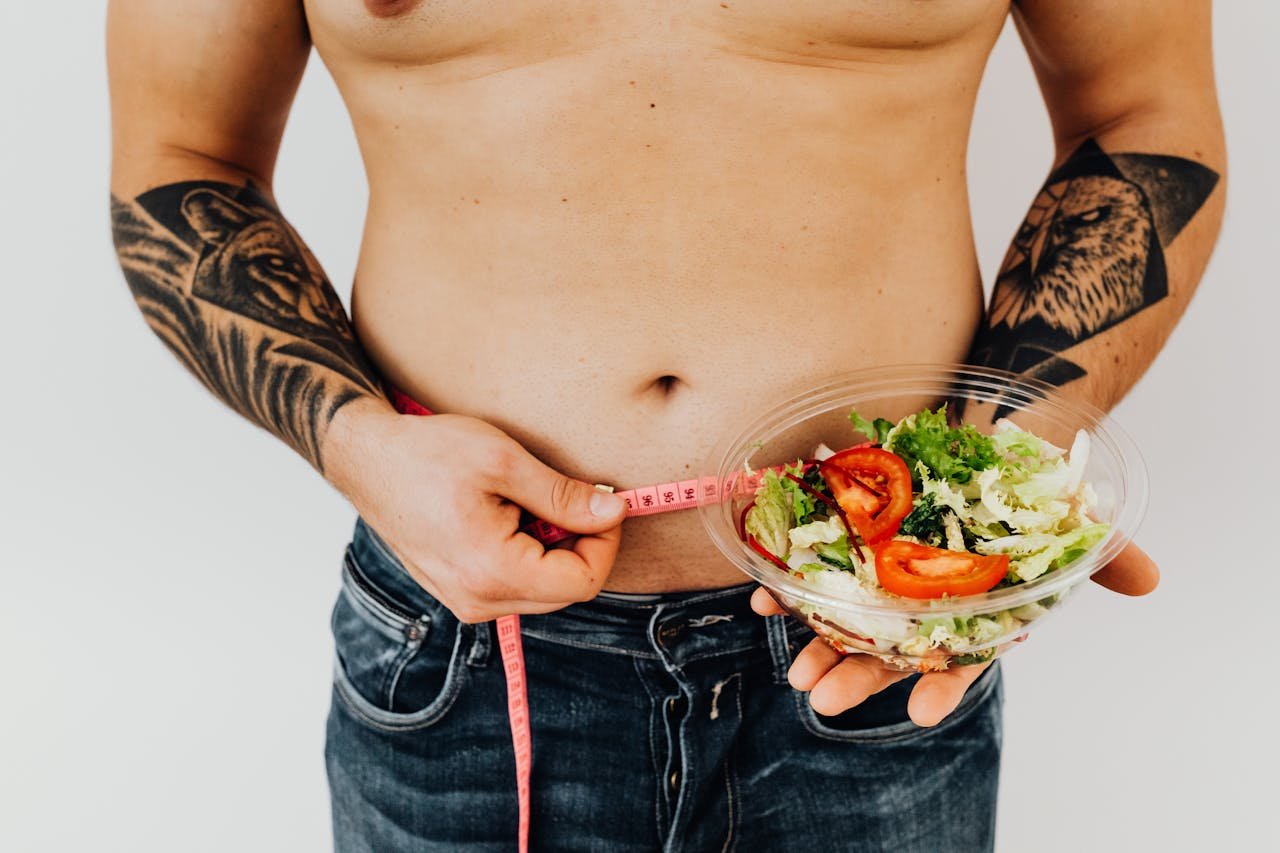
Do You Lose Weight When You Poop? Ever wonder if stepping off the toilet actually makes you lighter? You do lose a bit of weight when you poop, but it’s just the weight of the waste leaving your body—not fat.
That drop on the scale is fleeting and doesn’t count as real, lasting weight loss.
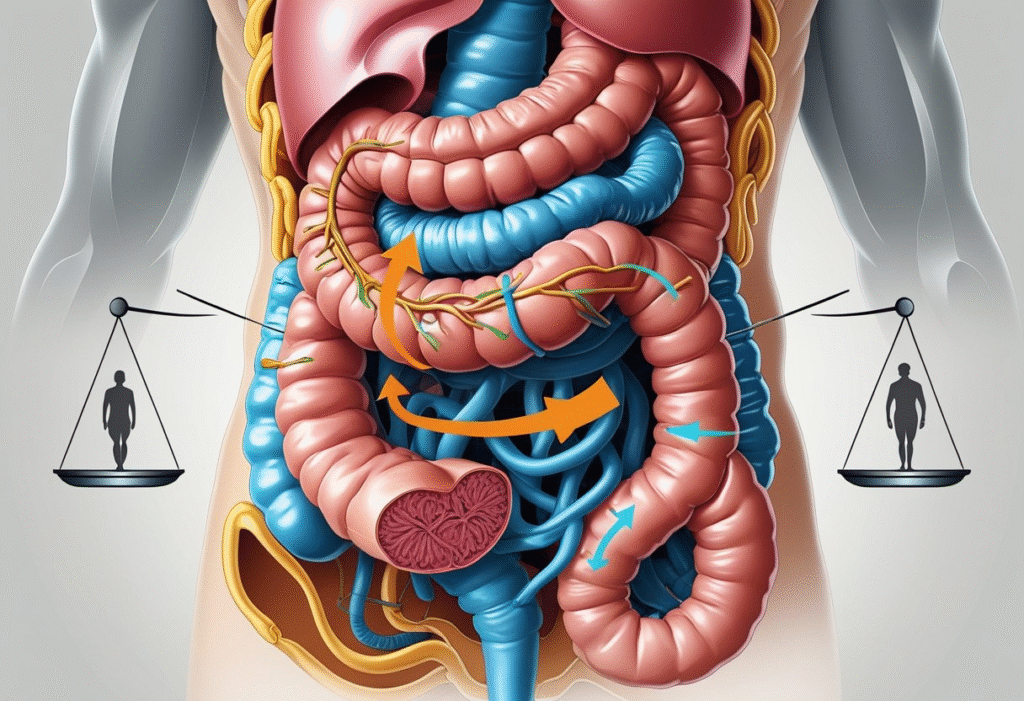
I’ve seen plenty of people mistake that lighter feeling after a bathroom trip for fat loss. Sure, it can ease bloating and maybe your jeans fit a bit better after, but it doesn’t change how your body burns calories or stores fat.
Real weight management comes from your daily habits, not what happens in the bathroom. Bowel movements do play a role in how you feel day to day though.
Regular digestion can help you feel less sluggish and a bit more balanced, but let’s not kid ourselves—it’s not a shortcut to dropping pounds.
Key Takeaways
- Pooping lowers body weight only by removing waste.
- The change is temporary and not the same as fat loss.
- Long-term weight control depends on diet, activity, and lifestyle.
How Bowel Movements Affect Body Weight
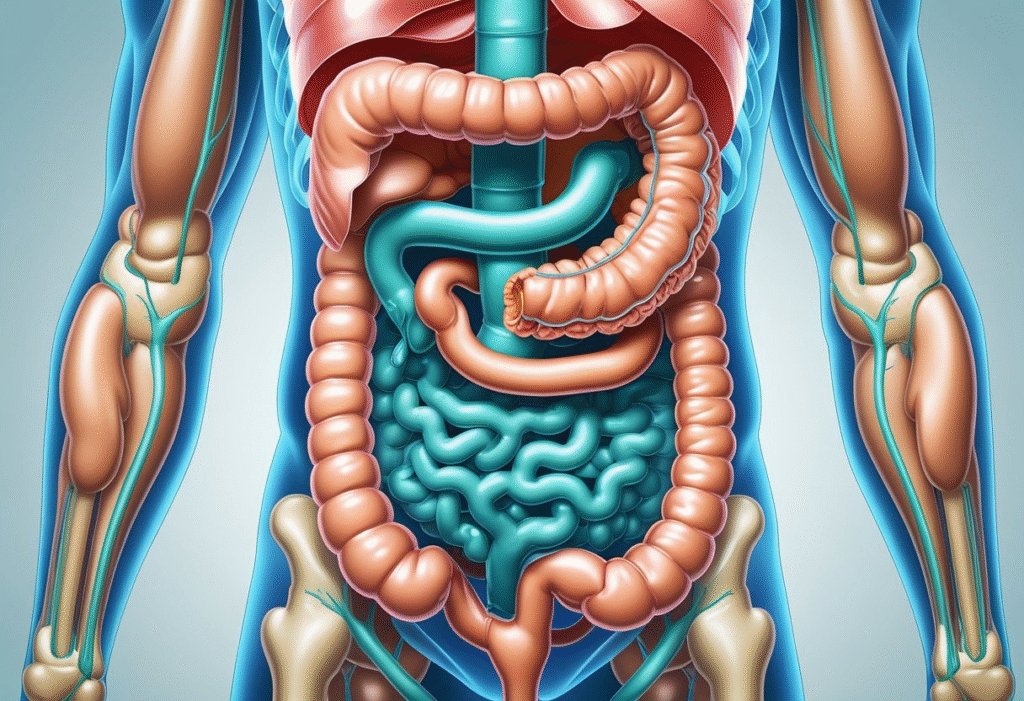
After using the bathroom, I sometimes notice a slight drop on the scale. My body just got rid of waste and water, not fat.
Real weight loss comes from burning more calories than I eat, not from pooping.
Temporary Weight Loss After Pooping
Once I’ve had a bowel movement, I might weigh less because stool and water just left my body. The amount depends on how much waste I pass—sometimes it’s a few ounces, sometimes up to a pound.
This shift doesn’t last; it’s just stuff leaving my digestive system. I might feel lighter or less bloated, but that doesn’t mean I’ve lost fat.
Experts say pooping doesn’t reduce body fat, even if the scale dips. Healthline notes that bowel movements only remove waste, not stored energy.
So, frequent bathroom trips shouldn’t be confused with progress in fat loss. It’s kind of like sweating off water weight—it changes your body weight a little, but not in any permanent way.
Difference Between Water Weight and Fat Loss
When I lose water weight, it happens fast and doesn’t stick around. Water leaves my body through urine, sweat, or stool, and once I rehydrate, my weight goes right back up.
Fat loss is totally different. That requires a calorie deficit over time.
The body stores fat as energy, and to shrink it, I need to burn more calories than I take in. This takes weeks or months—definitely not as quick as dropping water weight.
Lots of people mix these up. Verywell Health explains that pooping might lower the scale number, but it’s not fat loss. Knowing this keeps me from getting frustrated when my weight bounces around.
Digestive Process and Waste Elimination
My digestive system breaks food down into nutrients and waste. Nutrients get absorbed, while what’s left turns into stool—mostly water, bacteria, fiber, and undigested bits.
This process can take anywhere from 24 to 72 hours, depending on what I eat and how my body works. A fiber-rich diet usually leads to bigger, more regular bowel movements.
As Medical News Today explains, the weight of stool varies, but it’s got nothing to do with fat or muscle. Eliminating waste just gets rid of stuff my body doesn’t need anymore.
Regular bowel movements help me feel more comfortable, but they’re not a fat loss strategy. They just mean my digestive system is doing its job.
Factors Influencing Weight Change During Pooping
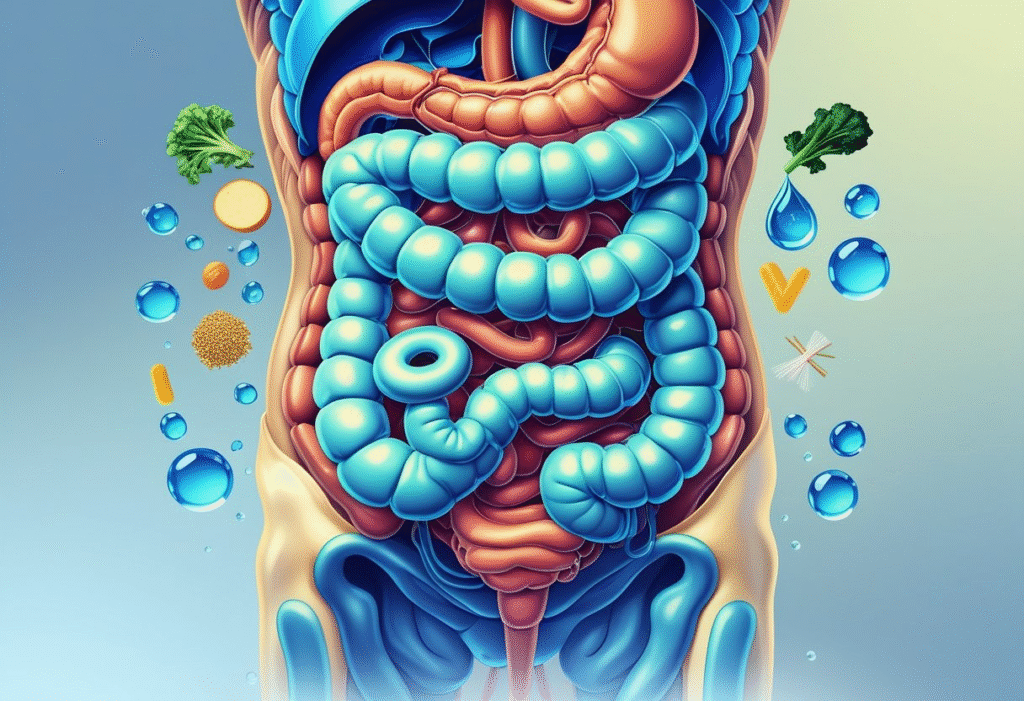
When I think about what affects weight change during pooping, I focus on how much stool I make, how much water’s in it, and how often I go.
These things shape whether the scale shifts a bit after a bathroom trip.
Dietary Fiber and Stool Mass
Fiber’s the big player in stool weight. Foods like beans, whole grains, fruits, and veggies add bulk because fiber isn’t fully digested.
This bulk means a slightly bigger drop on the scale after pooping. There are two main types of fiber:
- Soluble fiber: absorbs water and softens stool.
- Insoluble fiber: adds bulk and gets things moving faster.
A high-fiber diet can lead to heavier stools—sometimes between 72 and 470 grams a day. So how much weight I lose during pooping depends on my fiber intake.
Healthline points out this is only stool mass, not body fat. If I eat low-fiber foods, my stool is smaller and less frequent, so there’s less weight change after pooping.
Hydration Levels
Water intake directly changes stool consistency and weight. Stool is about 75% water, so being hydrated makes it softer, bulkier, and easier to pass.
If I don’t drink enough, stool gets harder and smaller. That makes bowel movements less comfortable and means less weight lost during pooping.
Hydration and fiber work together. Soluble fiber needs water to form a gel that softens stool. Without enough water, fiber can actually make things worse, causing constipation.
Medical News Today explains this process changes how much stool I pass and how much the scale moves after.
Frequency of Bowel Movements
How often I poop also matters. If I go every day, I usually pass less each time than if I skip days.
If I’m constipated and finally go, the stool weight is bigger, so the scale might show a noticeable—though temporary—drop. Normal frequency ranges from three times a day to three times a week.
This means some people see bigger stool-related weight swings than others. Verywell Health says this isn’t fat loss, just waste removal. For me, frequency only affects short-term weight, not long-term body weight.
Long-Term Weight Management and Pooping
Bowel movements can nudge the number on the scale, but that’s not fat loss. What really matters for long-term weight control is how my body burns energy and how well my digestive system works overall.
Metabolism and Calorie Burn
When I think about weight control, metabolism is key—it determines how many calories I burn each day. Pooping doesn’t burn many calories, so it doesn’t help with fat loss in any real way.
My body uses energy for everything—breathing, moving, even just sitting around. If I want to change my weight long-term, I look at total daily energy expenditure. Exercise, diet, and muscle mass all affect how many calories I burn.
Some folks think frequent pooping means a faster metabolism, but that’s not true. Medical News Today says any weight change from pooping is temporary because food and fluids are always moving through us.
Here’s a simple table for perspective:
| Activity | Impact on Calories Burned |
| Pooping | Very low |
| Walking | Moderate |
| Strength training | High (due to muscle growth) |
Honestly, pooping is just a normal body function—not a weight loss method.
Role of Gut Health in Weight Control
I pay attention to gut health because it affects digestion, appetite, and how I absorb nutrients. A healthy gut helps keep things regular, but its bigger job is processing food efficiently.
Eating more fiber—fruits, veggies, whole grains—adds bulk to stool and keeps me regular. High-fiber diets also help me feel full, so I’m less likely to overeat.
Verywell Health notes that fiber boosts stool weight and supports digestive balance. Gut bacteria matter too. Some research suggests certain bacteria may influence how my body stores fat and uses energy.
If my gut microbiome is diverse, I might have better metabolic health than someone with poor gut balance. To keep my gut happy, I try to eat:
- Fiber-rich foods like beans, oats, and leafy greens
- Probiotics from yogurt or fermented foods
- Plenty of water to keep digestion moving
By focusing on gut health, I support good digestion and habits that help with long-term weight control.
Frequently Asked Questions
Body weight can shift a bit depending on digestion, hydration, and waste removal. These changes are short-term and don’t reflect real fat loss.
How does bowel movement frequency affect weight loss?
If I poop more often, I might see small drops on the scale because I’m passing waste and water. But this isn’t the same as burning fat.
Verywell Health says real weight loss comes from using more calories than I eat.
Can the appearance of stool indicate weight loss?
The way my stool looks tells me more about my digestion than fat loss. Softer or bulkier stool usually means I’m eating more fiber or drinking more water.
It doesn’t show if I’m actually losing body fat.
Is there a weight difference before and after diarrhea?
Yeah, I might weigh less after diarrhea because my body loses water and waste quickly. But this is just temporary, not fat loss.
Medical News Today points out this kind of weight drop isn’t a healthy or lasting way to lose weight.
Does the time of day when you defecate influence weight loss?
Yeah, my weight sometimes drops a bit after I use the bathroom in the morning. But honestly, that’s just because I’ve lost some waste and water, not actual fat.
What is the average weight of waste excreted daily?
Most people pass about 100 to 250 grams of stool each day. The exact number shifts depending on what I eat, how much water I drink, and how my gut’s feeling.
Healthline points out that most of that weight is just undigested food, bacteria, and water. Not exactly glamorous, but that’s the reality.
Are there any weight changes associated with urination?
Yeah, I usually see a slight drop on the scale after I pee. It’s just water leaving my body, not actual fat loss.
The amount really depends on how much I’ve been drinking lately. Honestly, it’s a temporary thing and nothing to get too excited about.