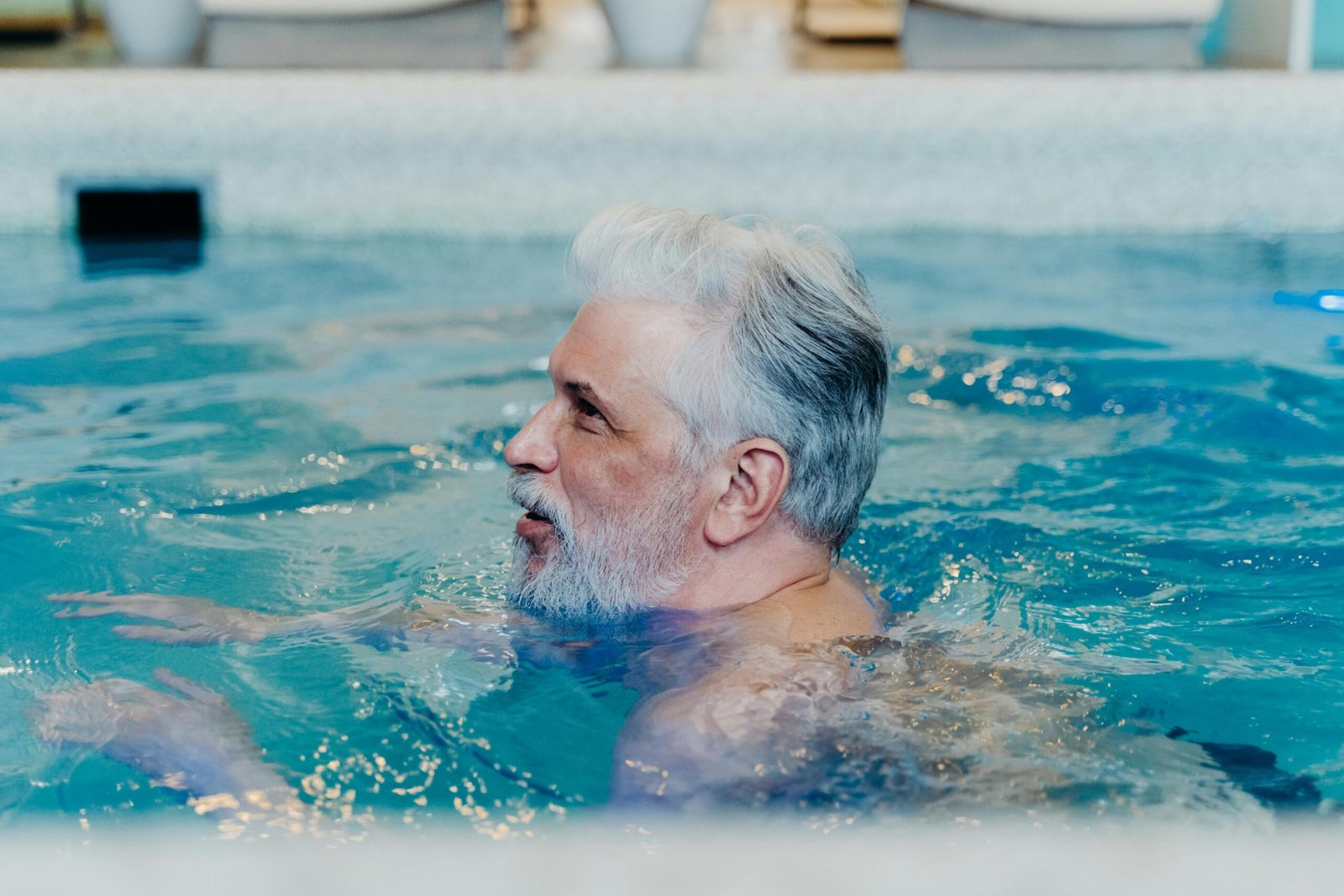
Does Swimming Help You Lose Weight Effectively And Safely: does more than keep you cool—it can actually help you reach your fitness goals. When you move through water, your body works against resistance, burning calories and building muscle.
Yes, swimming can help you lose weight if you stay consistent and pair it with healthy eating habits.

I like swimming because it’s gentle on my joints, yet it still challenges every muscle group. It offers a full-body workout that can boost strength, endurance, and heart health.
You can adjust your pace, distance, and stroke to match your fitness level. That flexibility makes it easier to stick with, at least in my experience.
If you want to make swimming part of your weight loss plan, you’ll need to know which strokes burn the most calories. Building a routine that fits your schedule really helps, too.
Key Takeaways
- Swimming burns calories and tones muscles for steady weight loss
- Different strokes and routines can increase results over time
- Consistency and balanced habits make swimming an effective workout
How Swimming Promotes Weight Loss

Swimming supports weight loss by boosting calorie burn, toning muscles, and ramping up metabolism. It works your entire body while staying easy on the joints, so it’s good for all kinds of fitness levels.
Calorie Burn and Energy Expenditure
When I swim, my body pushes against water resistance, which takes more energy than most land exercises. This means I burn a surprising number of calories.
Depending on my intensity and body weight, I might burn anywhere from 400 to 700 calories per hour, according to Swim Fastlane.
Different strokes change energy use. The butterfly stroke burns the most, while breaststroke and freestyle land somewhere in the middle.
Short rest intervals or interval-style laps can really crank up the calorie burn. I also notice that swimming keeps my heart rate up for a long time, which means I’m using more oxygen and energy overall.
This makes it a solid cardio workout that helps create a calorie deficit if I eat sensibly.
Impact on Body Composition
Swimming helps me build lean muscle while dropping fat. Since the water supports my weight, I can train longer without wrecking my joints.
This lets me work arms, core, back, and legs all at once. Over time, I’ve noticed better muscle definition and more overall tone.
GoodRx points out that swimming hits both slow- and fast-twitch muscle fibers, which helps with endurance and strength. The more muscle I gain, the more calories I burn—even when I’m just sitting around.
Consistent swimming has shifted my body composition toward more muscle and less fat. That change shows up in how I look, but also in how I move and feel day to day.
Metabolic Benefits
Swimming boosts my metabolism during and after workouts. My body keeps burning calories as it restores energy and repairs muscles.
This process—called excess post-exercise oxygen consumption (EPOC)—can last for hours after I leave the pool. Cold water also matters; my body uses extra energy to stay warm, which might bump up calorie use a bit (Verywell Health).
Regular swimming can improve insulin sensitivity and help stabilize blood sugar. It also lowers cholesterol and blood pressure, so it’s not just about weight—it’s about overall health too.
Types of Swimming Workouts for Weight Loss
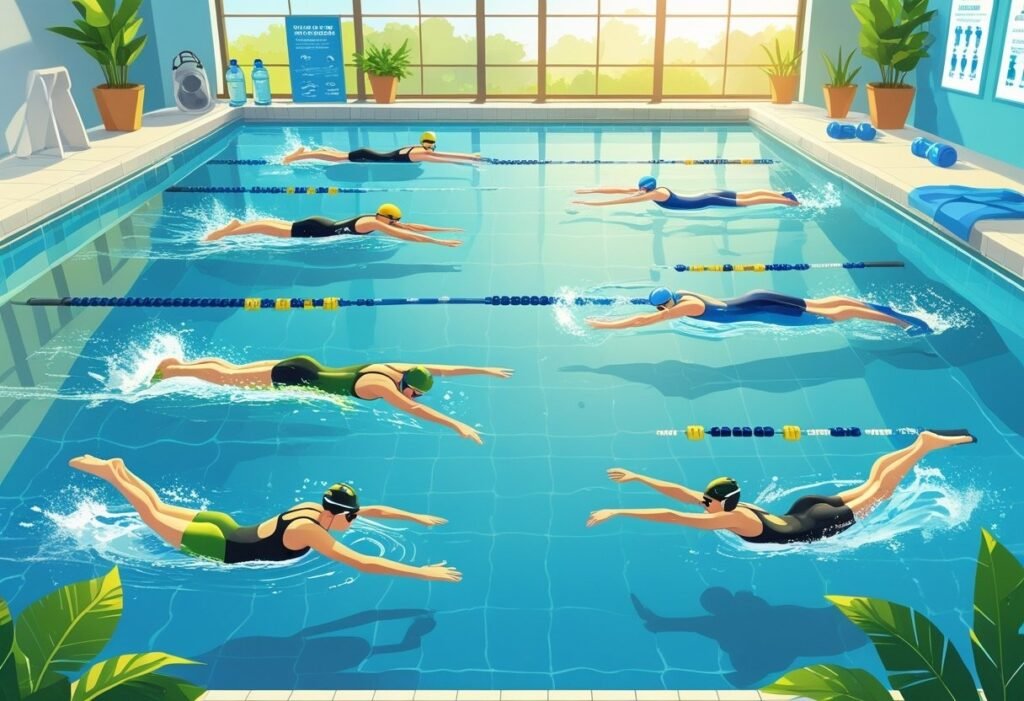
I focus on swim workouts that build endurance, increase calorie burn, and strengthen muscles. Each method uses different pacing, strokes, and tools to keep things interesting and challenge my body.
Interval Training in the Pool
I use interval training to switch between high and low intensity. This helps me burn more calories in less time.
For example, I’ll swim one lap all-out, rest for 30 seconds, then repeat that cycle a few times.
Short bursts of effort get my heart rate up and keep it there, even after I finish. This afterburn effect supports fat loss and boosts cardiovascular health.
I like to mix up my strokes—freestyle, butterfly, breaststroke—to hit different muscles. Swimming three times a week for 30 minutes can help with belly fat and weight management (Women’s Health).
Here’s a sample interval plan I follow:
| Round | Stroke Type | Duration | Rest |
| 1 | Freestyle | 1 min | 30 sec |
| 2 | Backstroke | 1 min | 30 sec |
| 3 | Freestyle (fast) | 45 sec | 20 sec |
| 4 | Breaststroke | 1 min | 30 sec |
Endurance Swimming Techniques
When I train for endurance, I swim at a steady pace for as long as I can. This helps me build stamina and strengthens my heart and lungs.
I usually start with 20 minutes of continuous swimming and add more time as I get fitter. Smooth, efficient strokes and controlled breathing make a big difference.
Freestyle and backstroke are my go-tos for longer sessions—they use big muscle groups but don’t tire me out too fast. Verywell Health says increasing swim duration and intensity gradually helps with weight management and lowers blood pressure.
Tracking my distance or laps keeps me motivated. Sometimes I wear a waterproof fitness tracker to monitor heart rate and calories burned, which keeps me in the right zone for fat loss.
Incorporating Resistance and Equipment
I like to add resistance tools for extra challenge. Kickboards, pull buoys, and hand paddles increase drag, so my muscles have to work harder.
This tones my arms, legs, and core. Fins help me move faster, which pushes my heart rate up and burns more calories.
Resistance bands attached to pool walls let me do stationary swims that hit specific muscle groups. The Eat This, Not That guide suggests mixing resistance drills with traditional laps for a balanced routine.
I switch between equipment-based sets and regular swimming. Lighter resistance is great for endurance, heavier for strength. Mixing it up keeps things interesting and effective.
Comparing Swimming to Other Weight Loss Exercises
Swimming’s low-impact nature really sets it apart from other cardio workouts. It burns calories efficiently while being gentle on the joints, which is a big deal for anyone dealing with knee or back pain.
Swimming vs. Running
Compared to running, swimming is much easier on the joints. Running pounds the knees, hips, and ankles, but water supports your body and cuts down on strain.
That makes swimming a safer bet for people with joint pain or injuries. Both swimming and running burn about 400–700 calories per hour, depending on intensity.
Swimming works the upper body and core more evenly, though. I also notice better flexibility and posture from swimming, since water resistance activates stabilizing muscles.
Running, meanwhile, builds lower body strength and bone density. If you want full-body conditioning without beating up your joints, swimming might just be the better pick.
For more on calorie burn and joint benefits, Verywell Health explains how swimming supports weight loss.
Swimming vs. Cycling
Cycling and swimming both offer low-impact cardio, but they don’t hit the body quite the same way. I use cycling to focus on my legs and endurance, while swimming works nearly every major muscle group—shoulders, arms, core, you name it.
Swimming usually burns a bit more calories per hour than moderate cycling, especially if I mix up my strokes or push the pace. Swim Fastlane says swimming can even match or beat running’s calorie burn, minus the joint stress.
Cycling is easier to do for longer stretches and doesn’t require a pool, so it’s more accessible for some folks. Both are great for heart health, but swimming gives you more resistance training in one shot.
Tips for Maximizing Weight Loss Through Swimming
I focus on two main things to make swimming work for weight loss—how often and consistently I swim, and how I handle my food and drinks to support my workouts. Both have a big impact on calorie burn and recovery.
Consistency and Workout Frequency
I’ve realized that regular swimming is more important than going all out once in a while. Experts recommend swimming at least three to five times per week for real results (Healthline).
I mix up my strokes—freestyle, breaststroke, and backstroke—to keep things balanced and hit different muscles. I start with shorter sessions, then add time and intensity as I get stronger.
Here’s a simple schedule I follow:
| Day | Duration | Focus |
| Monday | 30 min | Freestyle endurance |
| Wednesday | 40 min | Mixed strokes |
| Friday | 30 min | Interval training |
I track my progress every week. Staying consistent keeps me motivated and helps avoid plateaus, which is key for steady fat loss.
Nutrition and Hydration Strategies
I pay close attention to what I eat before and after swimming. A small, balanced meal with lean protein and complex carbs gives me energy and helps me recover.
After swimming, I try to eat within 30 minutes to recharge and support my muscles. That window just seems to work best for me, even if it’s not always perfect.
Hydration matters just as much. I drink water before, during, and after each session to replace fluids I lose through sweat.
It’s easy to forget, but even in the pool, dehydration can sneak up and mess with my performance.
I skip sugary drinks and processed snacks since they slow me down. Combining swimming with a balanced diet, as Swim Fastlane points out, helps me get better, longer-lasting results.
Frequently Asked Questions
I get a lot of questions about how swimming affects weight loss. People want to know about weekly changes, benefits for women, and whether it helps with belly fat.
I also get asked how much difference swim duration makes—like, does swimming 30 minutes or an hour a day really change things?
How much weight can be lost by swimming regularly each week?
If I swim consistently and keep a calorie deficit, I can lose about 1 to 2 pounds per week. Verywell Health says swimming burns a lot of calories, but it depends on things like stroke type, intensity, and body weight.
What are the specific benefits of swimming for weight loss in females?
Swimming helps me tone up, build endurance, and even supports hormonal balance. According to joinelevatenow.com, it’s gentle on the joints and works for women dealing with PCOS or insulin resistance.
I find it’s a pretty sustainable way to manage weight over the long haul.
Can regular swimming contribute to reducing belly fat?
Swimming can help reduce belly fat, especially when I pair it with good nutrition and regular workouts. WebMD explains that water resistance forces me to use my core, which tones the midsection and burns calories all over.
What are typical weight loss outcomes from swimming before and after programs?
I usually start to notice visible changes after about 6 to 8 weeks of steady swimming and eating well. Healthier Up points out that sticking to routines and using good technique can lead to steady fat loss and some muscle definition.
Is swimming for one hour daily an effective weight loss strategy?
Swimming for an hour a day can work really well if I keep the intensity up. Verywell Health says adults need at least 150 minutes of aerobic activity each week, so an hour a day actually goes above and beyond that.
Honestly, it’s tough some days, but the progress keeps me coming back.
Does a 30-minute daily swimming routine suffice for weight loss?
Swimming for 30 minutes a day keeps me moving and helps with weight management, especially when I watch what I eat. Stylecraze points out that even short, regular swims can boost metabolism and muscle tone.
Progress might be slower compared to longer sessions, but honestly, isn’t consistency the real key?


