
Can You Gain Muscle In A Calorie Deficit Explained By Science : You might think building muscle means eating more, not less. But honestly, it’s a little more complicated than that.
Yes, you can gain muscle while in a calorie deficit—but it takes careful planning, enough protein, and consistent resistance training.
When you match smart nutrition with effective workouts, your body can use stored fat for energy while building new muscle tissue.
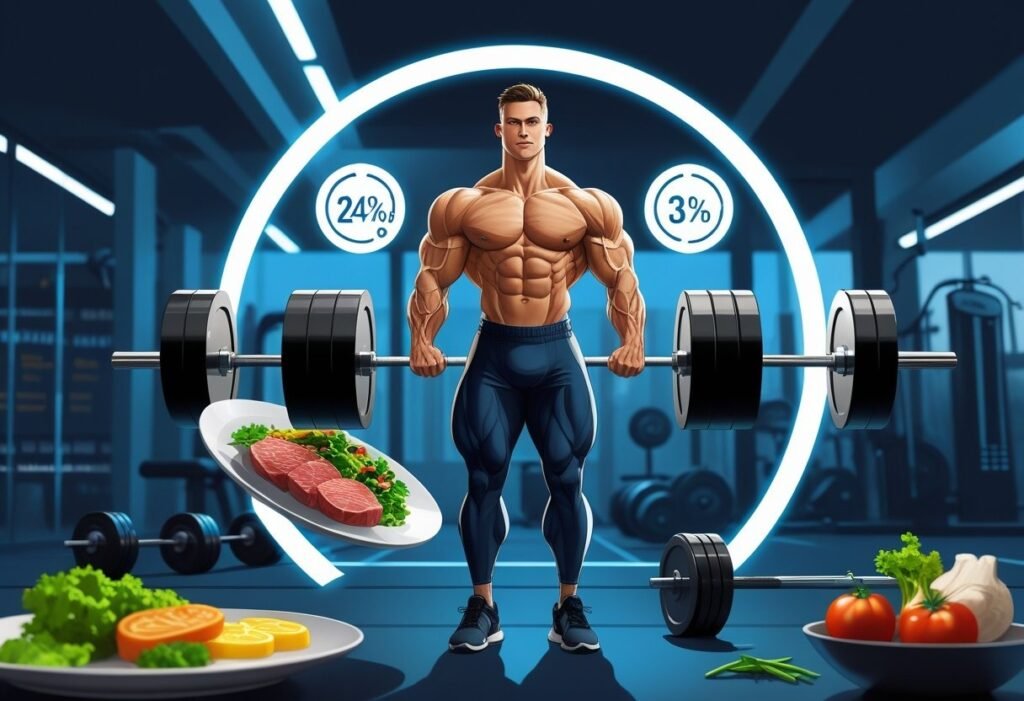
I’ve seen this approach work best for people who are new to strength training or coming back after some time off. It’s also effective if you focus on high-quality protein, solid recovery, and pushing yourself to progress in your workouts.
Articles like Is It Possible to Build Muscle While in a Calorie Deficit? explain that this process, called body recomposition, really depends on balancing your calorie intake and how hard you train.
If you want to lose fat but keep your strength, learning how to manage your nutrition and training together is key.
With the right approach, you can reshape your body and boost performance at the same time. Not easy, but definitely doable.
Key Takeaways
- You can gain muscle in a calorie deficit with proper nutrition and training.
- Protein intake and resistance workouts are essential for success.
- Smart planning helps you lose fat while maintaining or building muscle.
Understanding Muscle Gain and Calorie Deficit
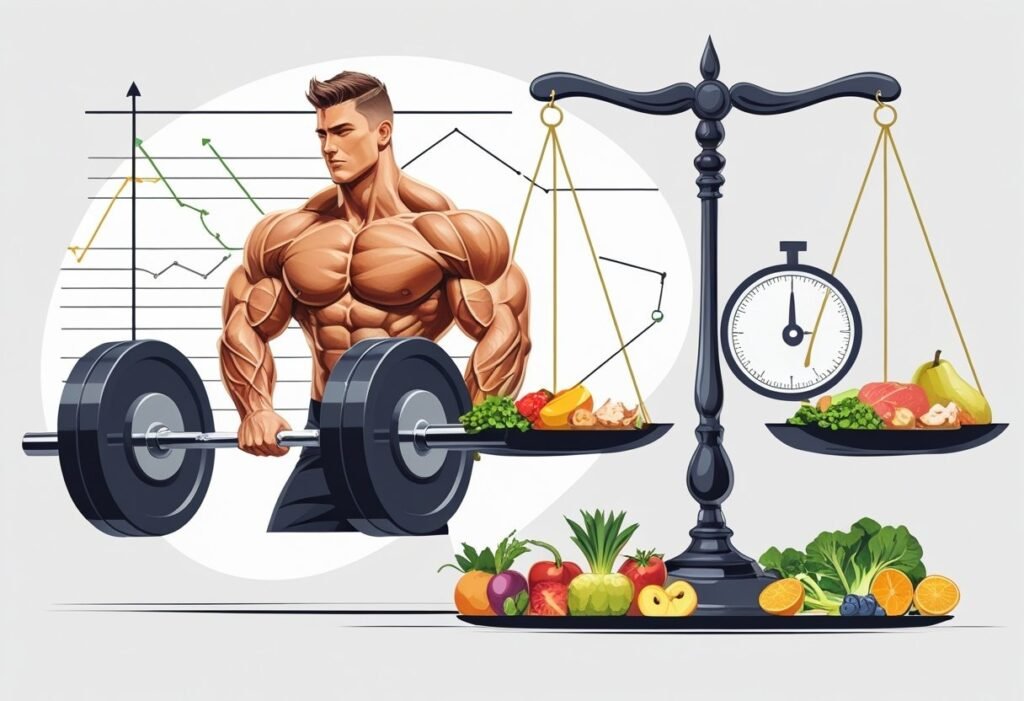
I focus on how the body creates muscle tissue, uses energy, and adapts to changes in calorie intake. Knowing how these work helps me plan nutrition and training that support both strength and body composition goals.
What Is Muscle Hypertrophy?
Muscle hypertrophy means your muscle fibers get bigger. It happens when I challenge my muscles with resistance training, causing little bits of damage that trigger repair and growth.
Over time, this process makes muscles thicker and stronger. There are two main types: myofibrillar (more muscle fibers for strength) and sarcoplasmic (increased fluid and glycogen for endurance).
Both types depend on consistent training and proper recovery. I also need enough protein to repair muscle tissue.
Research shows that eating about 1.6–2.2 grams of protein per kilogram of body weight supports muscle growth, even when calories are limited.
Defining a Calorie Deficit
A calorie deficit happens when I eat fewer calories than I burn. This state forces my body to use stored energy, usually from fat, to meet its needs.
The size of the deficit determines how fast I lose weight. If I cut calories too much, my body might slow its metabolism and limit muscle growth.
A moderate deficit—usually 250 to 500 calories per day—is easier to stick with and less likely to mess with performance. According to Verywell Health, balancing calorie reduction with enough protein and resistance training lets some people gain muscle while losing fat.
This is sometimes called body recomposition.
How the Body Builds Muscle
When I lift weights or do resistance exercises, my muscles get stressed and develop tiny tears in the fibers. My body repairs these fibers by fusing them together, making them bigger and stronger.
Protein synthesis needs to beat protein breakdown for muscle growth to happen. That means I need both enough protein and progressive overload—gradually making workouts tougher.
Recovery is huge. Without enough rest, sleep, and nutrients, growth just slows down or stops.
As CyVigor says, training sparks muscle growth, but nutrition and recovery make it possible.
Energy Balance Explained
Energy balance is basically the relationship between calories in and calories out. If I eat more than I burn, I gain weight; if I eat less, I lose weight.
But honestly, the body’s response is more complicated and depends on metabolism, hormones, and activity. Even in a calorie deficit, muscle gain can happen if I get enough protein and keep up resistance training.
The body might use stored fat for energy while sending nutrients toward muscle repair. As Scott Fitness Training mentions, things like genetics, training history, and diet quality all affect how well this process works.
Tracking progress and adjusting intake helps me keep the right balance for my goals.
Can You Gain Muscle in a Calorie Deficit?
I can gain muscle while eating fewer calories than I burn, but it depends on my training experience, diet quality, and recovery. My protein intake, workout intensity, and overall energy balance all play a role in how my body responds.
Scientific Evidence and Studies
Research shows that building muscle in a calorie deficit is possible, though it’s tougher than doing it in a surplus. Studies reviewed by Verywell Health and Men’s Health explain that muscle growth can happen when I eat enough protein and train with resistance consistently.
A calorie deficit usually leads to fat loss, but if protein intake stays high, my body can preserve or even add lean muscle. According to Stronger by Science, strength gains may continue even if muscle mass increases slowly.
I find that the size of the deficit matters. A small deficit supports better recovery and training performance than a big one.
Moderate deficits combined with progressive overload training seem to work best for recomposition.
Who Can Benefit Most
Beginners and people coming back to training after a break often see the best results. Men’s Health points out that those new to resistance training or with higher body fat levels can gain muscle more easily while losing fat.
My body responds differently based on my training history. If I’m new to lifting, my muscles adapt quickly, and I can build strength and size even if I’m not eating a ton.
Experienced lifters may find progress slower because their bodies are already efficient at using energy. People with higher body fat can also use stored energy to help fuel muscle growth.
This makes it easier for them to maintain performance while eating below maintenance calories.
Factors Influencing Results
Several things determine whether I can gain muscle in a calorie deficit. Protein intake is key—around 2–3 grams per kilogram of body weight per day, as suggested by Health.com.
My training style matters too. Heavy resistance training with progressive overload tells my body to build muscle, even when calories are low.
Sleep and recovery affect hormone balance and muscle repair, so I need enough rest each night.
Key factors to track:
| Factor | Optimal Approach |
| Protein | 2–3 g/kg body weight daily |
| Training | Progressive overload, compound lifts |
| Deficit Size | Small to moderate (200–500 kcal/day) |
| Sleep | 7–9 hours nightly |
| Consistency | Regular training and meal timing |
Optimizing Muscle Growth While in a Calorie Deficit
I focus on training intensity, protein quality, and steady progress tracking to build muscle while eating fewer calories. I keep tweaking my workouts, meal choices, and recovery habits to hold onto lean mass and encourage muscle repair, even when my energy intake is low.
Strength Training Strategies
I put compound lifts like squats, deadlifts, and presses front and center. These moves hit multiple muscle groups and drive bigger strength gains.
I train each major muscle group at least twice a week to keep muscle protein synthesis going. I lift with moderate to heavy weights—about 70–85% of my one-rep max.
Rest periods are short enough to keep the intensity up, but not so short I can’t recover between sets. This way, I get the most out of my effort without wasting time.
I avoid too much cardio because it can mess with recovery. Instead, I toss in short, high-intensity sessions once or twice a week.
According to Fastholic, balancing resistance training with limited cardio helps with fat loss but doesn’t sacrifice muscle.
| Training Focus | Frequency | Key Benefit |
| Compound lifts | 2–3x/week | Builds strength and mass |
| Isolation work | 1–2x/week | Refines muscle definition |
| HIIT cardio | 1–2x/week | Aids fat loss, preserves muscle |
Protein Intake and Nutrition
I shoot for high protein intake, around 2–3 grams per kilogram of body weight daily, as Health.com suggests. This helps with muscle repair and keeps me from losing lean tissue.
My go-to protein sources are chicken, fish, eggs, and Greek yogurt. I also mix in plant-based proteins like lentils and tofu for some variety.
To stay in a calorie deficit, I track my meals and stick to nutrient-dense foods. I include complex carbs like oats and sweet potatoes to power my workouts, and healthy fats from nuts and olive oil to keep hormones happy.
Meal timing matters, too. I spread protein-rich meals evenly through the day and try to have a serving within an hour after training to help recovery.
Monitoring Progress
I track my body composition using photos, measurements, and strength logs. I don’t just rely on the scale, because that doesn’t tell the whole story.
These tools help me see if I’m actually losing fat and keeping or gaining muscle. It’s a bit more effort, but worth it.
If my progress slows, I tweak calories or training volume. Bulk and Strength points out that even small changes in nutrition or exercise can kickstart muscle growth again.
I watch my recovery too. I pay attention to sleep quality and energy levels every day.
If I’m feeling run down or sore for longer than usual, I’ll add more rest or cut back on training. It’s not always easy to listen to your body, but it matters.
I try to track things consistently instead of guessing. This way, I can make better adjustments and keep moving toward stronger, leaner results—even if it takes a bit of trial and error.
Frequently Asked Questions
Gaining muscle in a calorie deficit isn’t one-size-fits-all. I’ve noticed it depends on things like your training experience, how good your diet is, and whether you’re eating enough protein.
Stuff like your body composition, hormones, and recovery habits also play a huge part in how well you build or keep muscle.
Is it possible to build muscle while consuming fewer calories than expended?
Yeah, it’s possible in some cases. Research and plenty of people’s stories show that you can gain muscle while eating fewer calories than you burn—especially if you’re new to lifting or coming back after a break.
CyVigor explains that this “body recomposition” takes some real attention to protein and workout intensity. It’s not magic, but it does happen.
How does protein intake affect muscle gain during a calorie deficit?
Protein really matters when you’re trying to build or keep muscle with fewer calories. I aim for a high protein intake—around 2.2 to 2.4 grams per kilogram of body weight—because that supports muscle protein synthesis.
Gym Mikolo says this much protein helps prevent muscle loss and can even help you grow muscle during fat loss. It’s not always easy to hit those numbers, but it pays off.
What are the differences in muscle gain during a calorie deficit between genders?
Both men and women can build muscle in a deficit, but hormones change the game a bit. Men usually gain muscle faster thanks to higher testosterone.
Women still see great results from lifting and eating well, but their muscle gains tend to come a bit slower and aren’t as dramatic. That’s just how it goes, but progress is progress.
Can individuals who are overweight build muscle while in a calorie deficit?
Overweight folks often get a bit of an edge when starting out. Their stored energy reserves make it easier to keep or even grow muscle while losing fat.
Verywell Health points out that this makes body recomposition more doable for people with higher body fat. It’s kind of nice to have that advantage at the beginning.
How does the use of steroids influence muscle growth in a calorie deficit?
Steroids can boost muscle growth in a calorie deficit by ramping up protein synthesis and cutting down muscle breakdown. Still, I have to say—using anabolic steroids comes with big health risks and legal headaches.
Natural methods might move slower, but they’re safer and you can actually stick with them for the long haul. I’d rather play the long game, honestly.
What is the minimum calorie intake to build muscle while cutting?
The minimum calorie intake depends a lot on your body size, daily activity, and metabolism. I usually aim for a small deficit—roughly 300 to 500 calories under maintenance.
Keeping protein intake high and sticking with regular training makes a big difference. Science-Backed Truths points out that if you cut calories too much, you might slow recovery and stall muscle growth.