Does Pilates Help Lose Weight : When I first tried different workouts, I wondered if Pilates would actually help with weight loss or if it was just stretching and core work. Pilates can support weight loss, but it works best if you pair it with healthy eating and other types of exercise.
It doesn’t burn calories as fast as running or cycling, but it builds lean muscle, which helps you burn more calories all day long.
I like that Pilates also improves posture, balance, and strength. This makes other workouts feel easier and more effective.
Over time, I’ve noticed it creates a good foundation for staying active. If you want steady results without beating up your joints, Pilates is a pretty practical choice.
What I find appealing is how easy it is to adapt. You can practice at home, in a studio, or mix it with cardio and weights for better results.
This flexibility helps you stick with it. I mean, consistency is probably the most important part of any weight loss plan, isn’t it?
Key Takeaways
- Pilates helps with weight loss by building lean muscle and boosting calorie burn
- It works best alongside cardio, strength training, and healthy eating
- Consistency and balance make Pilates a useful part of a long-term plan
How Pilates Influences Weight Loss
Pilates affects weight through steady calorie use, better muscle tone, and changes in body composition. It’s not as intense as some workouts, but it builds strength and supports fat loss if you stick to healthy habits.
Calorie Burn During Pilates Workouts
When I do Pilates, I notice it burns fewer calories per session than running or cycling. A moderate class usually uses about 175–250 calories an hour.
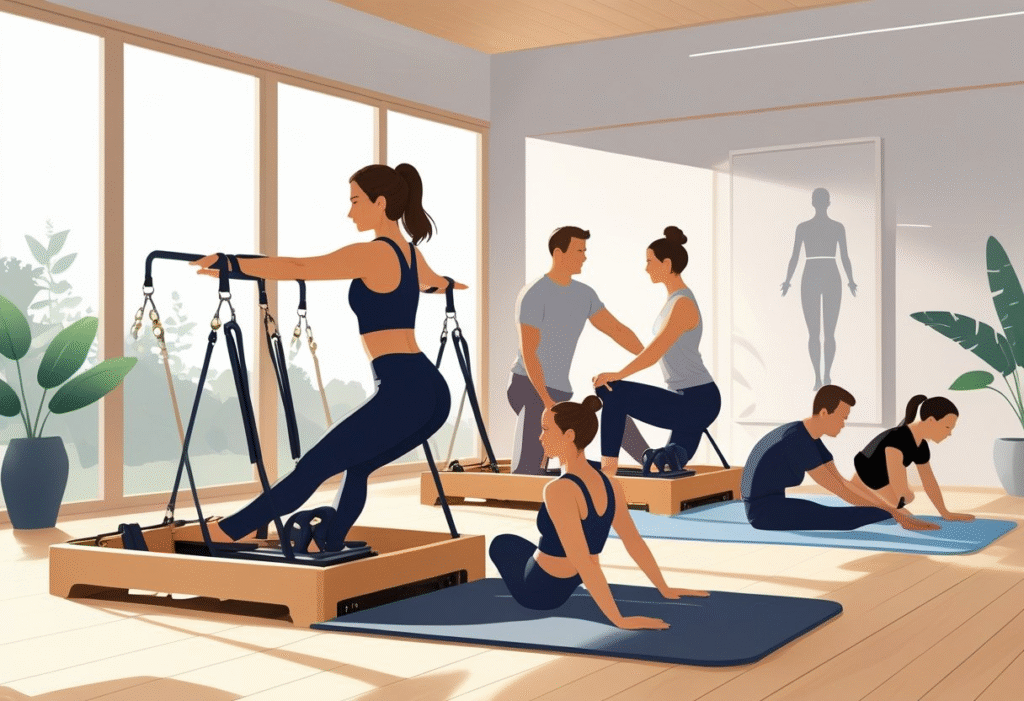
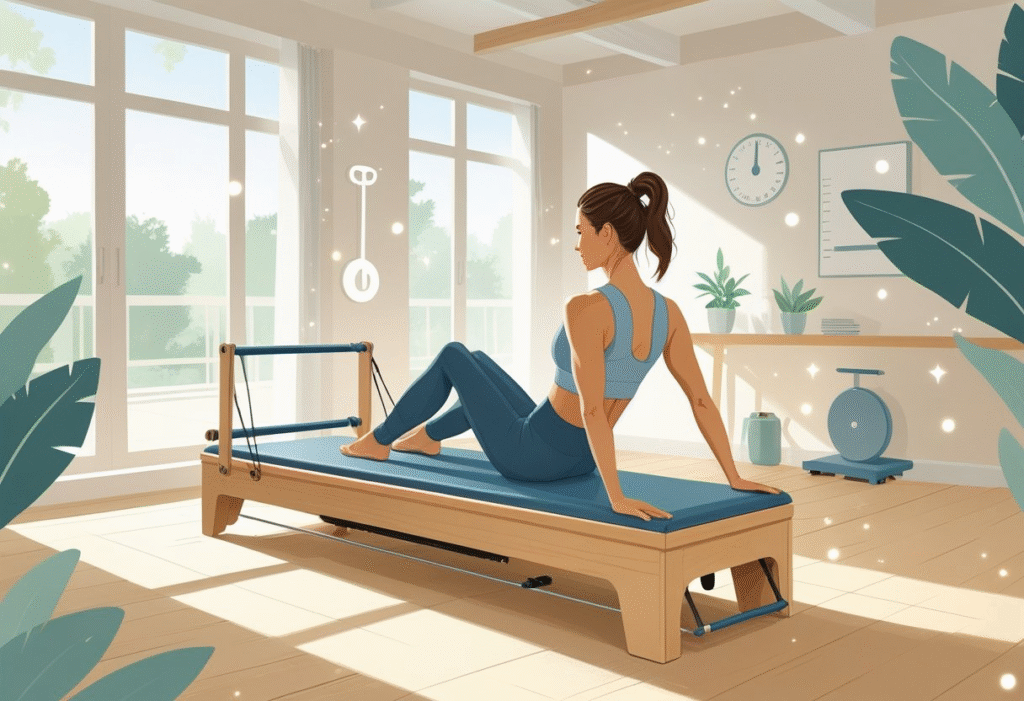
If you crank up the pace or use equipment like reformers, you’ll burn more. Mat Pilates is lighter, while reformer sessions add resistance and increase energy use.
Even if it’s not the biggest calorie-burner, Pilates still helps with weight loss. According to Healthline, combining Pilates with cardio or strength training helps create a stronger calorie deficit.
I find it works best as part of a balanced plan, not as my only exercise.
Role of Muscle Toning in Metabolism
Pilates focuses on controlled movements that target your core, legs, and back. When I build lean muscle, my body uses more energy even at rest—muscle just burns more calories than fat does.
The metabolism boost isn’t huge, but over time, it supports steady progress. Medical News Today says any activity that improves muscle tone can help manage weight better.
Pilates improves posture and stability, too. That makes it easier for me to do other workouts like strength training or cardio, and being more active overall just helps even more.
Calorie Burn and Metabolic Impact
- When I practice Pilates, I do burn calories, though not as many as I would in high-intensity workouts like running or cycling. A typical session may use around 175–250 calories depending on my weight, fitness level, and the intensity of the class.
- Even though the burn is moderate, it still matters. Any consistent calorie expenditure adds up, especially when paired with a balanced diet. Over time, this steady burn helps me manage energy balance without extreme strain on my body.
- Pilates also improves how efficiently I move. Better posture and core stability reduce wasted effort in daily activities, which can support a small but meaningful increase in daily calorie use. This makes it more than just a workout—it influences how my body functions throughout the day.
Impact on Body Composition
Weight loss isn’t just about the scale. I track body composition, and Pilates helps me lose fat while keeping lean mass.
This leads to a more toned look, even if my weight doesn’t change much. Women’s Health points out that Pilates supports fat loss best when you combine it with diet and lifestyle tweaks.
Pilates also helps me manage stress, which can affect weight by lowering cortisol levels. Less stress means better sleep and healthier food choices, which definitely helps body goals.
Comparing Pilates With Other Exercise Methods
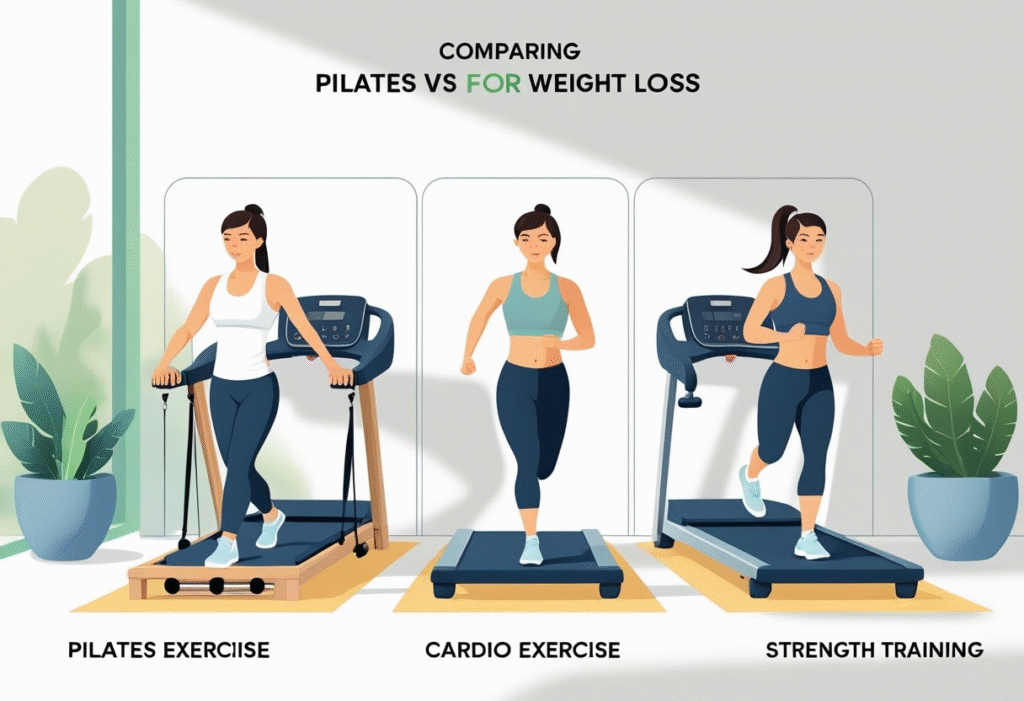
Pilates builds strength, balance, and flexibility. Its calorie burn is usually lower than workouts focused on fat loss, though.
Cardio or weight training often demand more energy, which can make a difference if I’m trying to lose weight quickly.
Pilates Versus Cardio for Fat Loss
When I compare Pilates to cardio, intensity is the big difference. A moderate Pilates session burns about 150–250 calories per hour, while running or cycling can burn twice as much.
Cardio also boosts heart and lung health, letting me work out longer. Pilates focuses on control, posture, and core strength—it raises my heart rate but doesn’t keep it up for as long.
I use Pilates to support other workouts, not replace cardio. It helps me move better, avoid injuries, and recover between tough sessions.
Pilates Versus Strength Training
Strength training burns more calories during and after a workout because lifting weights builds muscle. More muscle means I burn more energy at rest, which helps with fat loss.
Pilates builds strength, too, but mostly with bodyweight and lighter resistance. I notice it improves functional strength and flexibility, but it’s not as effective for muscle growth as resistance training.
Research comparing Pilates and weight training shows lifting weights changes body composition more. Still, Pilates targets deep stabilizing muscles, improves alignment, and supports joint health.
I like using both. Strength training drives calorie burn and muscle growth, while Pilates keeps me mobile and in control.
Maximizing Weight Loss With Pilates
I focus on steady habits for fat loss, not shortcuts. Pilates helps me build muscle and improve posture, but I get the best results when I pair it with smart nutrition and a mix of workouts.
Combining Pilates With Nutrition
If I want weight loss from Pilates, I pay close attention to what I eat. Pilates doesn’t burn as many calories as high-intensity workouts, so my meals need to support a calorie deficit without leaving me wiped out.
I add lean protein like chicken, fish, or beans to help my muscles recover. Protein keeps me full longer, which prevents overeating.
I load up on fiber-rich foods—veggies, fruit, and whole grains—for better digestion and steady energy. I try to limit sugary snacks and processed foods since they just add empty calories.
Instead, I aim for balanced meals with protein, healthy fats, and complex carbs. Staying hydrated matters, too, especially for energy during Pilates.
Experts say combining Pilates with good nutrition is key for fat loss. For instance, ahealthiermichigan.org suggests pairing Pilates with healthy eating to get the most out of it.
Incorporating Pilates Into a Fitness Routine
I get the most out of Pilates when I make it just one part of my week. Pilates builds strength, balance, and core stability, but I also add cardio and resistance training for more calorie burn and muscle growth.
Some weeks, I do Pilates three times and add two days of brisk walking, cycling, or weights. That mix helps me burn more calories and keep my muscles strong.
Pilates is great for active recovery between harder workouts. It’s easy on my joints but still keeps me moving.
Healthline says combining Pilates with cardio and strength training works better for weight loss than Pilates alone.
By blending Pilates with other exercises, I find a routine that feels balanced and doable. That’s what keeps me consistent, and honestly, consistency is everything for long-term results.
Frequently Asked Questions
Pilates helps me manage weight by building lean muscle, improving posture, and keeping me consistent with exercise. It might not burn as many calories as high-intensity workouts, but it plays a steady role in long-term fitness when I mix it with healthy eating and other activities.
Can regular Pilates practice lead to weight loss?
Yes, but it depends on my whole routine. Pilates helps me burn calories and build muscle, which supports fat loss if I stay in a calorie deficit.
Studies show it can lead to steady results if I practice consistently and eat well.
Is Pilates effective in reducing belly fat specifically?
Pilates doesn’t target fat loss in just one area. I can’t pick where my body loses fat, but Pilates strengthens my core and tones muscles.
Over time, my midsection looks leaner as I lose overall body fat.
How does Pilates compare to other exercises like Zumba for weight loss?
Pilates burns fewer calories per session than cardio-heavy workouts like Zumba. Zumba gets my heart rate up and usually leads to faster calorie burn.
Pilates, though, gives me better strength, posture, and flexibility, which helps with sustainable weight control.
What are typical weight loss results with Pilates before and after a certain period?
Results depend on diet, frequency, and lifestyle. Some research says people can lose about 3–6% of body weight with regular practice over a few weeks or months, as explained in this overview.
How frequently should one practice Pilates to observe weight loss?
I usually suggest at least 3 sessions per week. Practicing 4–5 times weekly can speed things up if you balance it with rest days and other exercises.
The main thing is sticking with it over time.
Does using a Pilates reformer enhance the weight loss process?
Yeah, a reformer definitely ramps up the intensity. I notice I burn more calories and build strength faster since the machine adds resistance and lets me move in different ways.
It’s not essential for weight loss, but honestly, I feel like I make progress faster with it than with just mat Pilates.