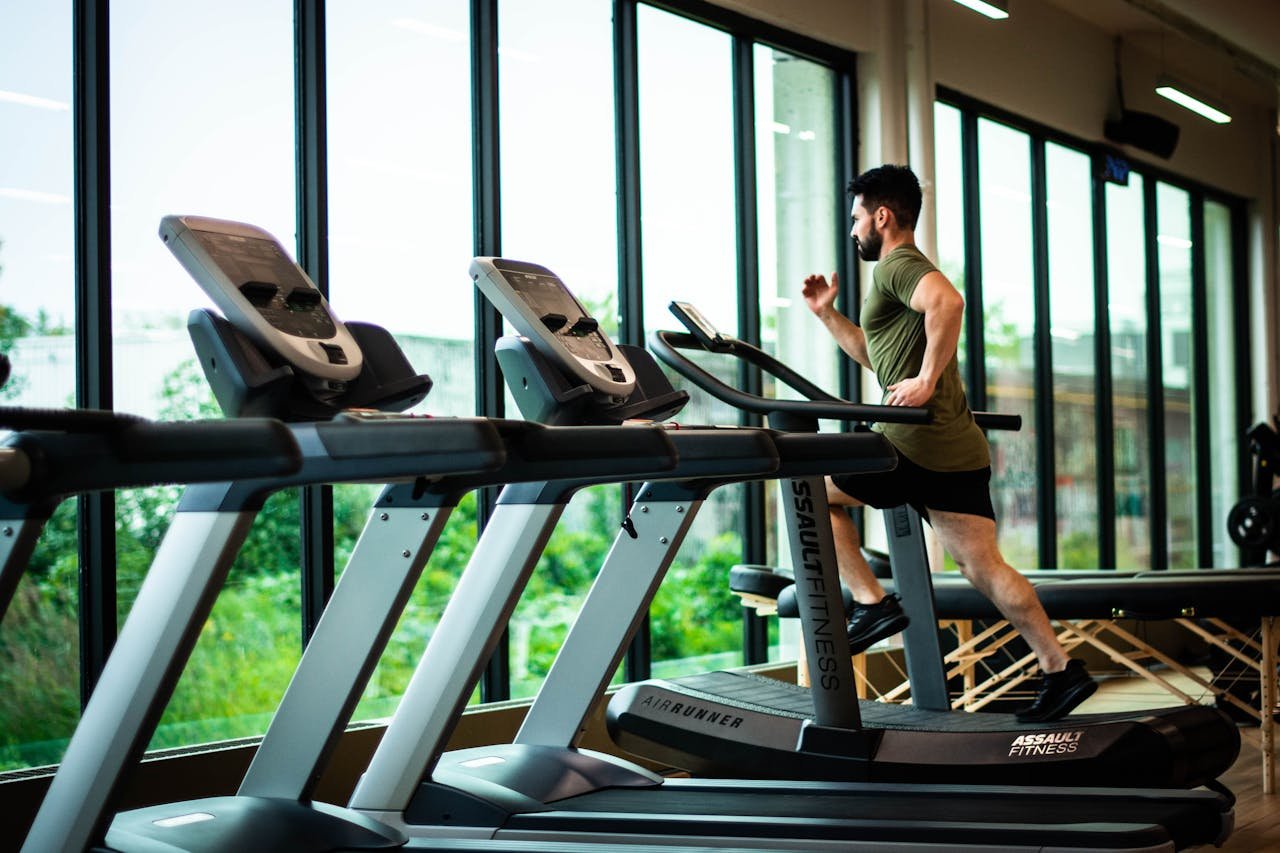
Does Sweating Help You Lose Weight? : When I finish a workout drenched in sweat, I can’t help but wonder if it means I’m losing weight faster. Sweat feels like proof of hard work, but honestly, it doesn’t tell the whole story about fat loss or calories burned.
Sweating doesn’t actually make you lose weight in a lasting way—it’s just your body cooling itself and losing water for a bit.
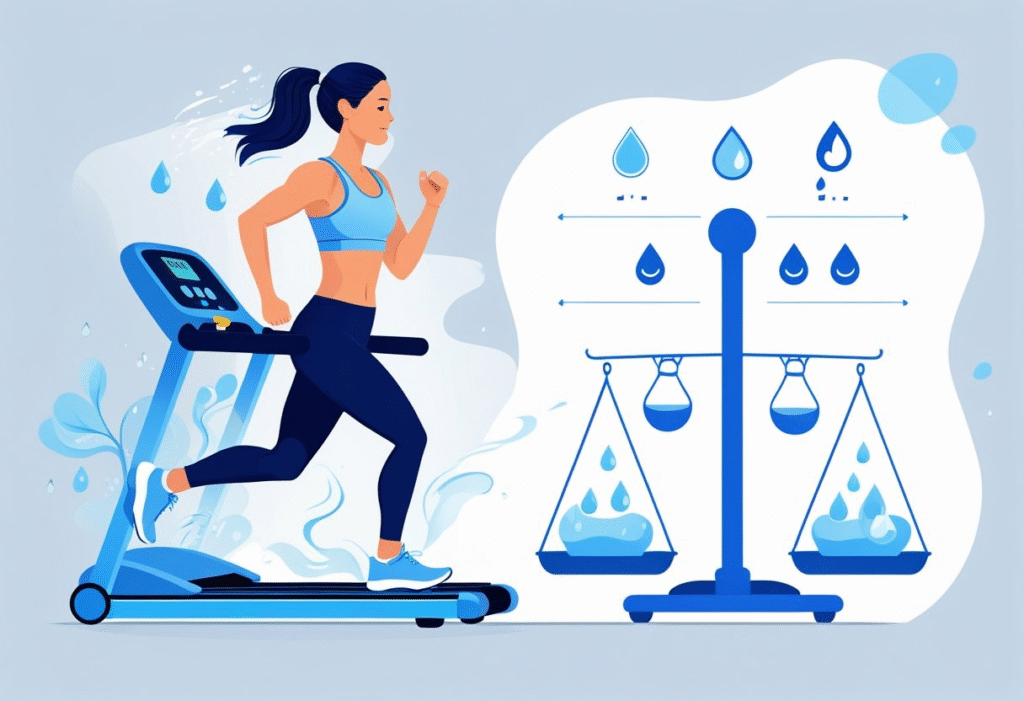
weight loss Real weight loss happens when your body uses energy from food and stored fat during activity, not from sweating itself. You can burn plenty of calories in a cold room without breaking a sweat.
Sitting in a sauna might make you drip, but the weight you lose comes right back once you rehydrate. It’s a temporary change, not real fat loss. weight loss click here
Key Takeaways
- Sweating means your body is cooling itself, not burning fat directly
- Real weight loss comes from burning calories and using energy, not losing water
- Habits like exercise and hydration support lasting results
How Sweating Affects Weight Loss
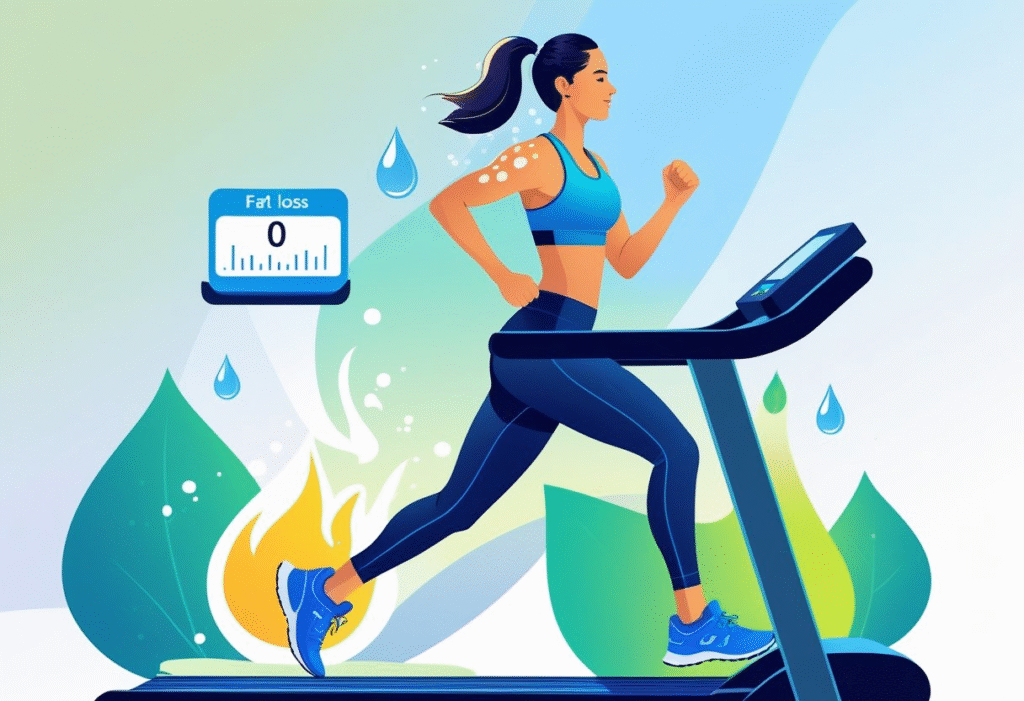
Sweating changes the number on the scale, but it doesn’t mean I’m burning fat. Sweat mostly shows fluid loss, and while sweaty exercise can burn calories, the sweat isn’t what reduces fat.
Temporary Water Weight Reduction
Weight loss help you
When I sweat, I lose water and electrolytes, not fat. This drop in fluid makes my weight go down for a little while.
Once I drink water or eat something with fluids, the weight comes back. Some athletes use this to make weight classes—wrestlers or boxers might use saunas or heavy clothes to sweat off water weight.
This trick is short-term and not safe or lasting for most people. Sweating too much without replacing fluids can cause dehydration—think dizziness, fatigue, headaches. That’s why I focus on drinking enough when I sweat.
According to GoodRx, sweating helps regulate temperature but doesn’t directly reduce fat.
Calorie Burn During Sweating
Sweating doesn’t burn calories. What burns calories is the activity that raises my body temperature and makes me sweat—like running, cycling, or lifting weights.
weight loss Sweat is just my body’s way of cooling off. The number of calories I burn depends on how hard, how long, and what kind of exercise I’m doing.
For example:
| Activity | Average Calories Burned (30 min) |
| Running (6 mph) | ~300 |
| Cycling (moderate) | ~250 |
| Weight lifting | ~200 |
As Verywell Health says, sweating might mean I’m working hard, but it’s the muscle activity and energy use that actually burn calories.
Difference Between Fat Loss and Water Loss
Help You wourkout Lose Weight Fat loss and water loss are not the same. When I sweat, I lose fluids, but to lose fat, I need a calorie deficit over time.
That means burning more energy than I take in from food and drinks. Sweating can give the illusion of progress, but real fat loss comes from consistent habits—exercise and balanced nutrition.
As Prevention points out, sweating alone can’t reduce body fat. Fat loss happens gradually as my body breaks down stored fat for energy. Water loss can be reversed in hours after I rehydrate.
Factors Influencing Sweat and Weight Loss
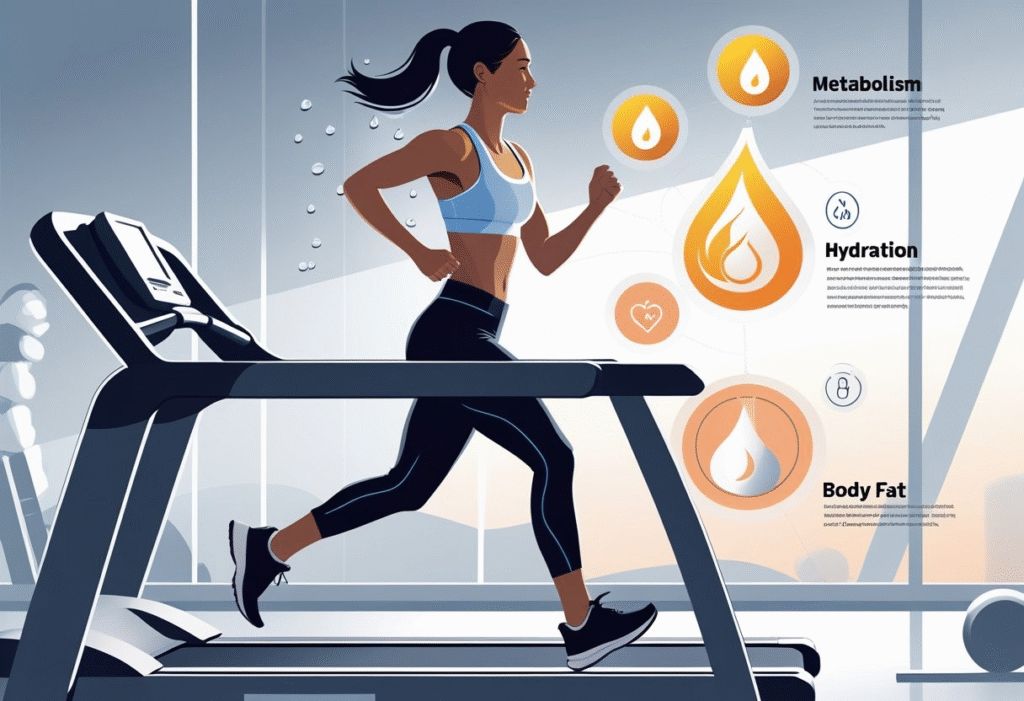
How much I sweat—and how it connects to weight loss—depends on a bunch of factors. Exercise effort, how hydrated I am, and the environment all play a role in how much water weight I lose and how fast I get it back.
Role of Exercise Intensity
When I crank up the intensity of my workouts, I usually sweat more. High-intensity stuff like running, cycling, or circuit training raises my core temperature fast, which makes my body sweat to cool off.
The sweat doesn’t burn calories—the muscles working harder do. So, the harder I push, the more energy I use, and sweating is just a side effect.
A brisk walk might barely make me sweat, but sprint intervals can leave me soaked. The difference is in the energy demand. Verywell Health says it’s the activity, not the sweat, that drives fat loss.
Impact of Hydration Levels
My hydration status changes how much I sweat. If I’m well-hydrated, my body can release more fluid through sweat to regulate temperature.
If I’m dehydrated, I might sweat less, but that doesn’t mean I’m burning more fat. What I lose through sweat is mostly water and electrolytes, not fat.
The weight I lose after heavy sweating returns once I rehydrate. GoodRx explains sweating can reduce water weight for a bit, but it doesn’t change body fat.
Drinking enough water helps me exercise longer and harder, which supports calorie burn. Hydration affects both how much I sweat and how much energy I can use.
Environmental Conditions
Temperature and humidity around me make a big difference in how much I sweat. Hot and humid weather makes me sweat more because my body struggles to cool off when the air is already muggy.
In dry heat, sweat evaporates faster, so I might not feel as wet, but I’m still losing fluids. Revitalize Weight Loss points out that the environment can change sweat levels without changing fat loss.
Exercising indoors with climate control feels different from working out outside in summer. The setting affects my comfort, fluid loss, and how quickly I need to replace electrolytes.
Safe Practices for Sweating and Weight Management
I pay attention to how sweating affects my body and what it means for managing weight. It’s important to know the limits of sweating and how to approach weight loss safely.
Risks of Excessive Sweating
If I sweat too much, I lose water and electrolytes like sodium and potassium. That can lead to dehydration, dizziness, or muscle cramps if I don’t replace fluids.
In bad cases, it might even cause heat exhaustion or heat stroke. Sweating a lot can also irritate my skin—rashes, fungal infections, clogged pores. Staying in damp clothes too long just makes it worse, so I try to change and shower after workouts.
It’s easy to mistake water loss for fat loss, but any weight I lose from sweating comes back once I drink water. According to Medical News Today, sweating doesn’t burn calories, so I don’t use saunas or sweat suits as a shortcut.
To play it safe, I drink water before, during, and after activity. I also watch for warning signs like nausea, headaches, or extreme fatigue—those mean I need to rest and rehydrate right away.
Healthy Approaches to Weight Loss
Instead of focusing on sweating, I put my energy into exercise and diet. Physical activity burns calories; sweating is just my body cooling down.
As GoodRx explains, the intensity of my workout matters more than how much I sweat. I build a routine with aerobic activity—like brisk walking or cycling—and strength training. This helps me burn fat and hang onto muscle.
I track progress by how I feel and what I can do, not by sweat puddles. Nutrition matters more than sweating. I go for balanced meals: lean protein, whole grains, fruits, and veggies. Extreme diets that cut out whole food groups? Not for me—they’re tough to stick with.
To manage my weight safely, I stay hydrated, rest when needed, and focus on habits I can live with long-term. That’s what supports real fat loss, not just temporary water loss from sweat.
Frequently Asked Questions
I hear people mix up sweating and fat loss all the time. Sweating mostly shows how the body cools off, while actual weight change comes from burning calories, hydration, and long-term habits.
Can sweating during exercise significantly contribute to weight loss?
Sweating doesn’t make me lose fat. When I sweat, I lose water weight that comes back when I rehydrate. Real weight loss during exercise happens because of energy burned through movement, not sweat itself, as explained by GoodRx.
What is the relationship between sweating and calorie expenditure?
Sweating itself doesn’t burn calories. My body burns calories when my muscles work, and sweating is just a cooling response. Verywell Health explains that the calorie burn comes from the activity, not the sweat.
Is there a difference in weight loss benefits from sweating for males and females?
Men often sweat more than women because of differences in body size and hormones. That doesn’t mean men lose more fat from sweating. Both men and women only lose water weight through sweat, and fat loss depends on calorie balance, not sweat volume.
How does the amount of sweat relate to the amount of weight one can lose?
If I sweat heavily, I might see a quick drop on the scale. This is just water weight. For example, people can lose 1–4 pounds of water in an hour of sweating, but it comes right back after rehydration, as noted by WikiHow.
Are there any health benefits to sweating with regards to weight management ?
Sweating helps regulate body temperature and can support exercise by preventing overheating. While it doesn’t burn fat directly, regular exercise that causes sweating can improve fitness and help with weight management. Sweating might also help remove tiny amounts of waste through the skin.
What are the most effective methods to induce sweating for weight loss?
I can sweat more by exercising in warm conditions or wearing extra layers. Some folks even use saunas for that purpose.
But honestly, these tricks just make me lose water, not actual fat. If I want to reduce body fat, I need consistent physical activity and balanced nutrition, not just more sweat, as explained by HealthifyMe.